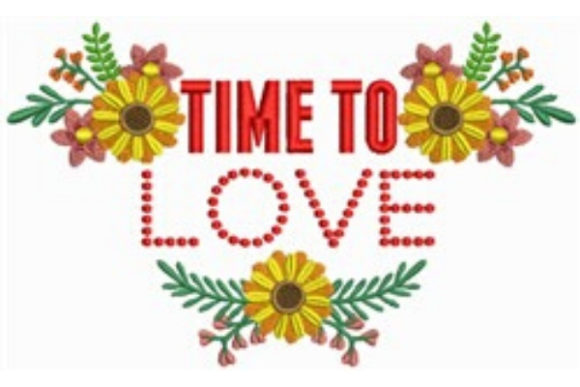
Reviewing Time to Love: A Designer’s Take
As an embroidery designer who spends countless hours digitizing and testing patterns, I approach every new machine embroidery design with a critical eye. It is not just about whether the stitches look pretty on the screen; it is about how that design translates into a tangible, high-quality handmade product. Recently, I had the opportunity to test Time to Love, a charming pattern categorized under Spring themes. My goal was simple: determine if this design holds up in a real-world production environment for personalized gifts. After stitching it out on various fabrics and imagining it in a retail context, I am ready to share my findings with fellow crafters, Etsy sellers, and small business owners.
First Impressions: Mood and Aesthetic Appeal
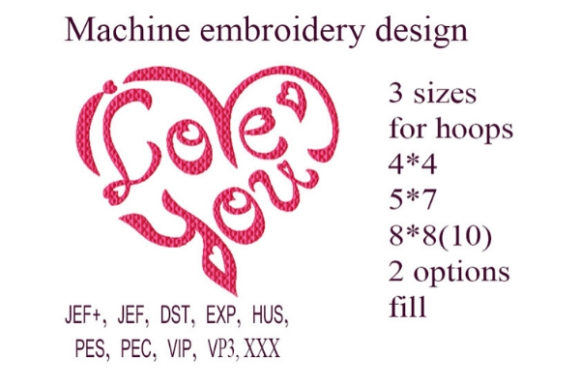
The moment I loaded the digital embroidery file into my software, the mood of Time to Love was immediately apparent. It exudes a sense of warmth and cheerfulness. The description promises a sweet design that adds a cheerful touch, and I found this to be accurate. It strikes a balance between playful and elegant, making it versatile enough for both modern and classic aesthetics. The lines are clean, suggesting a professional digitization that avoids unnecessary bulk. For a Spring-themed collection, it feels fresh without being overly trendy, which is crucial for inventory that needs to sell year after year.
What stands out most is the emotional appeal. In the gift market, customers are not just buying thread on fabric; they are buying a feeling. Time to Love communicates affection and care. This makes it an ideal candidate for products where sentiment is the primary selling point. Whether you are creating a personalized gift for a new mother or a keepsake for a couple, the design’s inherent sweetness does the heavy lifting in establishing an emotional connection with the buyer.
Versatility Across Product Lines
One of the biggest challenges for any Etsy seller or craft fair vendor is maximizing the utility of a single design. Can it work on a towel? A onesie? A tote bag? I tested Time to Love across several potential applications to see where it shines brightest.
- Baby Embroidery: The design performs beautifully on soft cotton knits. When scaled appropriately, it becomes a standout feature on baby blankets and burp cloths. The gentle curves of the motif complement the softness associated with nursery items.
- Kitchen and Home Textiles: On an embroidered towel or apron, the design adds a custom, boutique feel. It transforms a standard household item into a cherished small shop product. The contrast of colorful thread against white linen or terry cloth is particularly striking.
- Wedding and Anniversary Gifts: While categorized under Spring, the theme of love is timeless. I envision this working well on pillow cover inserts for newlyweds or as a detail on a commemorative tote bag. It serves as a subtle yet meaningful wedding gift option for those who prefer understated romance over flashy monograms.
- Apparel and Accessories: For custom tote bags or denim jackets, the design offers a nice pop of personality. It is substantial enough to be noticed but not so dense that it stiffens the fabric excessively.
Navigating Technical Challenges and Fabric Choices
While Time to Love is described as high-quality, no design is immune to the physics of embroidery. As a professional, I must advise caution in specific scenarios. The success of your custom embroidery project depends heavily on how you manage the interaction between the needle, the thread, and the fabric texture.
First, consider the scale. If you are shrinking this design for small lettering or tiny details on baby clothes, ensure that the smallest elements do not become indistinguishable blobs of thread. Always check small details after stitching a test sample. Delicate details can get lost on textured fabrics like waffle weave towels or thick terry cloth. In these cases, you may need to adjust your stitch density or choose a smoother fabric variant to ensure clarity.
Dark fabrics present another challenge. If you plan to offer this on navy or black garments, you must carefully select your thread colors to ensure sufficient contrast. A pastel palette might vanish against dark backgrounds, ruining the visual impact. Furthermore, when working with stretchy baby clothes, proper stabilization is non-negotiable. Using the wrong stabilizer can lead to puckering, which detracts from the perceived quality of the finished piece. Always hoop your fabric correctly and consider using a cut-away stabilizer for garments that will undergo frequent washing.
Enhancing Perceived Value and Customer Trust
From a business perspective, the choice of design directly influences buyer engagement. A well-executed Time to Love embroidery signals professionalism. When a customer sees clean edges, consistent tension, and a thoughtful design placement, their trust in your brand increases. This design helps elevate the perceived value of your items. It moves the product from "generic" to "bespoke."
For online sellers, product photography is key. This design photographs well because of its clear shapes and cheerful vibe. Creating a printable mockup or staging real-life photos with natural light can highlight the texture of the stitches. Showcasing the design on a variety of items—such as a cozy blanket or a crisp kitchen towel—helps customers visualize the end result. This visual versatility can significantly boost conversion rates, as buyers can easily imagine the item in their own homes or as a gift for someone special.
Practical Steps for Production Success
Before you list Time to Love in your shop or begin fulfilling orders, there are several practical steps you must take to ensure consistency and quality. These are not just suggestions; they are essential protocols for any serious commercial embroidery operation.
- Test on Scrap Fabric: Never run a new design on customer material first. Use scraps of the exact fabric type you intend to sell. This allows you to troubleshoot tension issues without financial risk.
- Check Thread Color Contrast: Create a color map that works for both light and dark fabrics. Have pre-defined palettes ready for spring pastels, classic primaries, and neutral tones.
- Confirm Hoop Size: Verify that the design fits within your standard hoop sizes. If the design is large, ensure you have the appropriate multi-positioning capabilities or larger hoops available.
- Review Stitch Density: Examine the stitch count relative to the size. If the density is too high for lightweight fabrics, you may need to use a water-soluble topping to prevent sinking.
- Verify Licensing: This is critical. Before selling any finished product, confirm the commercial licensing terms of the embroidery file. Ensure you have the right to sell items made with this design, especially if you are operating a high-volume small business.
In conclusion, Time to Love is a strong contender for your Spring catalog and beyond. It offers the emotional resonance required for successful gift products while maintaining the technical integrity needed for professional production. By respecting the nuances of fabric choice and stabilization, you can leverage this design to create beautiful, profitable, and meaningful items for your customers. Happy stitching!