Pedal Harps: A Designer’s Holiday Review
As an experienced embroidery designer, I spend countless hours scrutinizing digital files before they ever touch my machine. The holiday season is the most critical time for small shop owners and Etsy sellers, and choosing the right machine embroidery design can make or break a seasonal collection. Recently, I reviewed Pedal Harps, a motif rooted in the world of Music, to determine its viability for holiday product lines. This review is written from the perspective of a creator planning real-world inventory for gift-givers, home decor enthusiasts, and apparel shoppers.
First Impressions: Elegance Meets Festive Charm
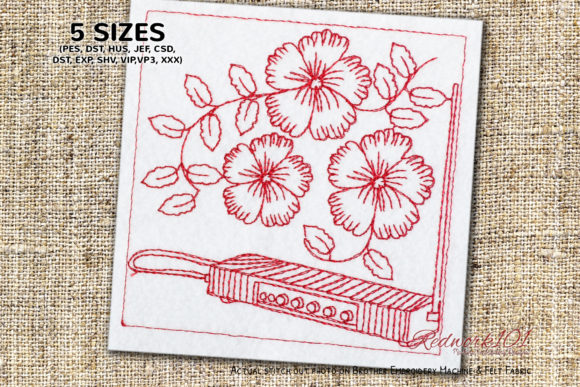
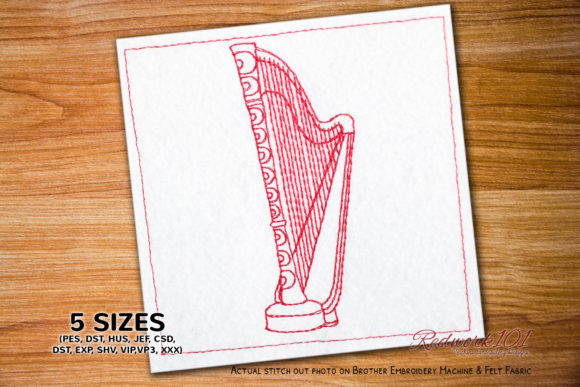
The first thing that strikes you about Pedal Harps is its inherent elegance. Unlike whimsical or rustic holiday motifs, this design carries a premium, artistic tone. The pedal harp is a large and technologically modern harp, designed primarily for use in art music, and that sophistication translates beautifully into seasonal embroidery. It feels less like a novelty item and more like a thoughtful tribute to culture and beauty. For holiday shoppers looking for unique, non-traditional gifts, this aesthetic is powerful. It evokes a sense of nostalgia and refinement, perfect for customers who appreciate the finer details in life.
The visual structure of the design suggests versatility. With the optional Box Stitch, you can frame the harp to create a contained, badge-like appearance, which is ideal for patches or structured items. Without the box, the lines flow more freely, suitable for organic placements on soft fabrics. The note that the color of the outer box is a different color in the source file indicates a thoughtful layering approach, allowing for creative thread play. This level of detail signals to the buyer that the finished product will be high-quality and visually engaging.
Strategic Product Placement for Holiday Sales
When building a seasonal shop collection, context is everything. Pedal Harps is not just a image; it is a solution for specific customer niches. Here is how I envision this embroidery file performing across various product categories during the holiday rush:
- Sweatshirt Embroidery: Placed on the left chest or as a larger back piece, this design elevates a basic sweatshirt into a boutique item. Music teachers, orchestra members, and classical music lovers will gravitate toward this as a personalized gift that reflects their identity.
- Tote Bag Design: Canvas totes are huge holiday sellers. The clean lines of the harp work well against natural cotton textures. Adding a subtle holiday element, like a small holly sprig near the base (if customizing), could bridge the gap between everyday use and seasonal festivity.
- Kitchen Towel Embroidery: For the hostess gift market, embroidering this on linen or cotton towels adds a touch of class. It appeals to those who entertain with music and art, making it a standout handmade gift for December parties.
- Pillow Cover: A velvet or faux-fur pillow cover featuring Pedal Harps becomes a luxurious home decor item. It fits perfectly in a cozy living room setting, appealing to buyers looking to add a sophisticated accent to their holiday decorating.
- Embroidered Patch: Using the optional box stitch, this design can be turned into an iron-on or sew-on patch. Patches are excellent low-cost add-ons for checkout counters, appealing to younger demographics who customize jackets and bags.
For Etsy seller accounts, creating bundles is key. Imagine a "Music Lover’s Holiday Bundle" featuring a tote, a patch, and a ornament. This increases average order value and provides a complete gifting solution.
Navigating Technical Challenges in Production
While the aesthetic appeal is high, practical execution requires attention to detail. As a designer, I must warn fellow creators about specific technical considerations when using Pedal Harps. The intricate nature of harp strings and pedals means that stitch density must be carefully managed. If the density is too high on thin fabric, you risk puckering. If it is too low on thick fabric, the background may show through.
Here are critical areas where caution is needed:
- Small Hoop Sizes: If you are scaling this design down for a 4x4 hoop, ensure the fine details of the strings do not merge. Test stitch on scrap fabric first. Tiny lettering or micro-details can get lost if the scale is reduced too aggressively.
- Dark Fabric: When stitching on black or navy garments, thread choice is vital. Metallic threads can add a festive, holiday sparkle but may break easily if the tension is not perfect. Consider using a high-sheen rayon for a luxurious look without the fragility of metallics.
- Stretchy Garments: For sweatshirts and baby items, proper stabilization is non-negotiable. Use a cut-away stabilizer for long-lasting durability, especially since these items will be washed repeatedly. A tear-away might leave residual stiffness or fail to support the dense areas of the harp.
- Curved Caps: Embroidering on curved surfaces like baseball caps requires careful hooping. The vertical lines of the harp must remain straight relative to the brim. Distortion here can make the instrument look warped, detracting from the premium feel.
Always check the specific hoop size requirements provided with the digital embroidery file. Since exact dimensions were not specified in the initial description, verify this data before purchasing to ensure it fits your intended product lineup.
Enhancing Seasonal Appeal and Brand Trust
In the crowded holiday marketplace, emotional connection drives sales. Pedal Harps taps into the emotions of pride, passion, and appreciation for the arts. For a small shop product line, this translates to higher perceived value. Customers are not just buying an embroidered item; they are buying a representation of their love for Music. This emotional resonance builds brand consistency and trust.
To maximize this effect, use high-quality printable mockup images in your listings. Show the design on a variety of fabric texture types, from cozy fleece to crisp linen. Social media previews should highlight the sheen of the thread and the precision of the stitches. Video content showing the embroidery process can further engage buyers, demonstrating the care that goes into each commercial embroidery piece.
Consider the color palette carefully. While traditional holiday colors are red and green, Pedal Harps might shine in gold, cream, and deep blue for a winter elegance theme, or silver and white for a modern, minimalist holiday look. Planning matching color palettes across your inventory helps create a cohesive shop aesthetic that encourages multiple purchases.
Final Designer Notes for Successful Implementation
Before adding Pedal Harps to your holiday roster, take these final steps to ensure success:
- Test Thread Colors: Run test stitches on both light and dark fabrics to see how the colors interact. Adjust brightness and contrast in your machine settings if necessary.
- Confirm Commercial Licensing: Always verify the license terms associated with the embroidery file. Ensure you have the right to sell finished products, especially during high-volume seasons.
- Review Small Details: After stitching, inspect the underlay and jump stitches. Trim any loose threads meticulously. A clean finish is what separates amateur efforts from professional holiday embroidery.
- Create Realistic Mockups: Use photos of actual stitched samples rather than just digital renderings. Buyers want to see how the thread sits on the fabric.
In conclusion, Pedal Harps is a strong contender for seasonal collections targeting niche audiences. Its blend of artistic integrity and decorative potential makes it suitable for a wide range of applications, from apparel to home decor. By respecting the technical requirements and leveraging its emotional appeal, embroidery professionals can create standout products that resonate with holiday shoppers seeking meaningful, high-quality gifts.