Reviewing Seaweed: A Designer’s Take on Custom Embroidery
As an embroidery designer who spends more time staring at stitch maps than I do sleeping, I am always on the hunt for designs that bridge the gap between technical precision and emotional warmth. When I loaded the Seaweed machine embroidery design into my software this morning, I was looking for more than just clean paths and efficient jumps. I was looking for a story. In the world of personalized gifts, every stitch needs to convey a feeling, and this particular piece from the Beach category certainly attempts to do just that.
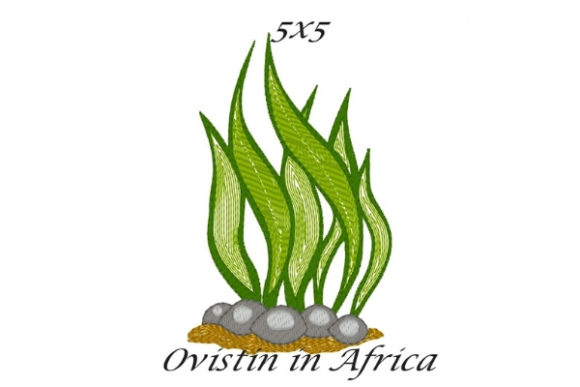
My initial impression of Seaweed is one of playful charm. It does not try to be overly realistic or rigid; instead, it embraces a whimsical, hand-drawn aesthetic that feels incredibly inviting. For those of us creating handmade products, this "imperfect" perfection is gold. It suggests movement and life, which is exactly what you want when designing underwater scenes for bathroom towels or nursery decor. The design feels sweet and modern, avoiding the clichéd nautical tropes that often clutter the market. It is fresh, light, and undeniably cute.
Visual Appeal and Emotional Connection
The true test of any digital embroidery file is how it translates from the screen to the fabric. With Seaweed, the visual appeal lies in its simplicity. It is not overcrowded with excessive detail, which makes it versatile for various applications. When I imagine this stitched out, I see it working beautifully as a focal point on a baby blanket or as a subtle accent on a toddler’s hoodie. The emotional connection here is strong; it evokes memories of family beach trips, summer vacations, and the gentle calm of the ocean. For a customer looking for a meaningful embroidered gift, this design taps into nostalgia and joy without being loud or aggressive.
For Etsy sellers and small shop owners, this emotional resonance is crucial. Buyers are not just purchasing a pattern; they are buying a feeling. A pillow cover adorned with this seaweed motif feels like a hug from the sea. An apron with this design suggests a love for coastal cooking and relaxed weekends. By choosing a design that feels organic and friendly, you elevate the perceived value of your finished product. It signals to the buyer that care went into the selection process, fostering trust in your brand as a curator of quality handmade items.
Versatility Across Product Lines
One of the strongest assets of the Seaweed design is its adaptability. While the product description highlights bathroom towels and nursery decor, I see potential far beyond these categories. Let us break down where this design shines in a real-world production environment.
- Baby and Toddler Apparel: The cute nature of the design makes it ideal for baby embroidery. Imagine it stitched on the chest of a onesie or the hem of a burp cloth. It is gender-neutral enough to appeal to all parents while retaining a soft, approachable vibe.
- Nursery Decor: Beyond clothes, think about wall hangings or crib sheets. The underwater theme fits perfectly into a ocean-inspired nursery, providing a cohesive look when paired with other sea-life elements.
- Kitchen and Bath Linens: As mentioned, this is perfect for an embroidered towel. However, do not stop there. Consider kitchen towels, pot holders, or even a custom tote bag for beach days. The design holds up well on larger surfaces where it can breathe.
- Wedding and Keepsake Gifts: While not traditionally romantic, this design could work for a destination wedding favor or a guest book alternative for a beachside ceremony. It adds a touch of location-specific flair to wedding gifts.
For craft fair products, having a design that works on multiple items allows you to maximize your inventory efficiency. You can use the same digital embroidery file to create a range of small shop products, from coin purses to large blanket embroidery projects, simply by scaling the design appropriately within your software limits.
Technical Considerations and Fabric Choices
Now, let us get into the nitty-gritty of production. As much as I love the aesthetic of Seaweed, successful custom embroidery requires technical diligence. Here are the areas where you need to exercise caution and planning.
First, consider the fabric texture. The design is described as perfect for bathroom towels, which are typically thick and plush. When stitching on terry cloth, you must use a proper stabilizer to prevent the stitches from sinking into the loops. A cut-away stabilizer is often recommended for items that will undergo frequent washing, ensuring the design remains intact over time. If you are using this on thinner fabrics like cotton for baby clothes, ensure your tension is adjusted so the fabric does not pucker.
Second, pay attention to thread colors. Since this is a seaweed design, you will likely be using greens, teals, or perhaps blues. On dark fabric, these colors might lose their vibrancy if not chosen carefully. I always advise running a test on scrap fabric first. Compare light and dark fabric mockups to see how the thread colors contrast against the background. You want the details to pop, not blend in. If the design has delicate details, ensure your needle size is appropriate for the thread weight to avoid breaking or shredding.
Third, review the stitch density. While the exact stitch count is not provided in the brief, designs with flowing, organic shapes can sometimes have varying densities. Check the design in your viewer to ensure there are no overly dense areas that could cause bulkiness, especially on stretchy baby clothes or curved surfaces like hat brims. If the design is intended for a hoop size that is smaller than the actual motif, you may need to resize it, but always check the resolution after resizing to ensure the small details remain crisp.
Enhancing Giftability and Customer Trust
How does Seaweed affect the bottom line? It enhances giftability. A personalized gift featuring this design feels thoughtful and specific. It is not a generic store-bought item; it is a custom creation. This perception increases customer trust. When buyers see high-quality stitch outs in your product photography, they are more likely to engage with your listing.
To maximize this, create printable mockups that show the design in situ. Show the seaweed on a folded towel, on a hanging nursery mobile, or on a child wearing a shirt. Visualizing the finished product helps the customer make a decision. For digital product sellers, offering this as part of a bundle with other beach-themed elements can increase average order value. For commercial embroidery users, ensure you have the correct license terms. Always confirm commercial licensing before selling finished products to avoid legal issues down the line.
Final Thoughts for the Modern Maker
In conclusion, Seaweed is a delightful addition to any embroidery designer’s library. It balances aesthetic charm with practical versatility. Whether you are an Etsy seller looking to expand your nursery collection or a crafter making personalized gifts for friends, this design offers a reliable and attractive option. Remember to test on scrap fabric, check your hoop size constraints, and choose your thread colors wisely. With careful execution, this machine embroidery design can become a staple in your portfolio, bringing a touch of the ocean’s tranquility to every piece you create. Embrace the flow, respect the fabric, and let your creativity ripple outwards.