Umbrella in a Circle Applique: A Designer’s Review
As an embroidery designer who has spent years digitizing and testing files for commercial use, I approach every new machine embroidery design with a critical eye. It is not just about whether the image looks pretty on a screen; it is about how that design translates to fabric, how it holds up under the needle, and ultimately, how it serves the brand identity of the small business owner purchasing it. Today, I am reviewing the Umbrella in a Circle Applique, a design that promises a blend of vintage charm and modern utility. For shop owners, Etsy sellers, and apparel decorators, understanding the nuances of this file is crucial before committing to production runs.
First Impressions: Visual Personality and Brand Fit
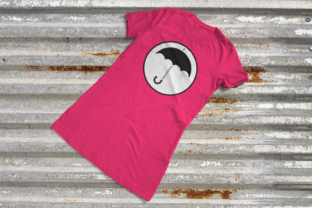
The first thing that strikes me about the Umbrella in a Circle Applique is its inherent versatility. The description notes an "old-fashioned umbrella set inside of a circle," which immediately suggests a aesthetic that is both classic and whimsical. In the world of branding, circles are powerful; they denote unity, community, and completeness. Pairing this geometric stability with the nostalgic imagery of an old-fashioned umbrella creates a visual that feels friendly, rustic, and slightly playful.
This design does not scream "corporate sterile." Instead, it whispers "handmade quality." For businesses in the Spring season—such as florists, garden centers, or boutique cafes offering seasonal blends—this design fits naturally into their marketing narrative. It evokes feelings of shelter, comfort, and preparedness, which are excellent emotional anchors for customer trust. However, because it is an applique design, the texture will be distinct. The fabric layer adds depth, making the finished product feel more premium than a standard flat stitch design. This tactile element is vital for handmade brands looking to justify higher price points on their merchandise.
Real-World Applications for Small Business Merch
When evaluating a digital embroidery file for commercial use, I always ask: "Where can this live?" The Umbrella in a Circle Applique is surprisingly adaptable. Here is how I envision it performing across various product lines:
- Embroidered Patches: This is perhaps the strongest use case. The circular boundary provides a natural edge for a merrowed border or a satin stitch finish. Patches are low-risk inventory for small businesses; they can be produced in batches and applied to hats, bags, or jackets later. The applique nature reduces bulk compared to high-density satin fills, making the patch flexible and comfortable.
- Apron Embroidery: For bakeries, florists, or craft studios, branded aprons are walking advertisements. Placing this design on the chest pocket area of a canvas or denim apron adds a professional touch. The contrast between the umbrella fabric and the apron material can be manipulated to match brand colors perfectly.
- Tote Bag Design: Canvas tote bags are staples for eco-friendly boutiques. The design’s simplicity ensures it remains legible even when scaled up for a larger bag surface. It serves as a subtle brand mark rather than an overwhelming graphic, appealing to customers who prefer understated elegance.
- Cap Embroidery: While possible, cap application requires caution. The curved surface of a baseball cap can distort circular designs if not hooped correctly. However, if placed on the side panel or the back of a structured cap, it can serve as a unique accent that differentiates your custom apparel from competitors using standard left-chest logos.
Technical Considerations and Production Notes
Before you load this embroidery file into your machine, there are technical realities to address. The product description states that the file includes "8 formats 4 hoop sizes" and that "steps are separated by color changes." It explicitly warns: "Please do not color sort or combine." This instruction is critical. As a designer, I know that applique designs rely on a specific sequence: placement stitch, cut line, tack-down stitch, and finish stitch. Altering the color order or merging steps can ruin the registration, causing the fabric piece to shift or the final outline to miss its mark.
Furthermore, the inclusion of four hoop sizes is a significant value add. It allows you to test the design’s scalability. However, you must respect the limits of stitch density. When scaling down for smaller patches or delicate fabrics, ensure the details of the umbrella handle and ribs do not become lost. I recommend creating a printable mockup first to visualize the scale relative to your garment. Always check the specific stitch count and density details in the included documentation, as these are not provided in the brief summary. If the density is too high for lightweight fabrics, you may need to adjust your stabilizer strategy.
Fabric and Stabilizer Strategy
The success of any applique depends heavily on the interaction between the top fabric, the applique fabric, and the stabilizer. For the Umbrella in a Circle Applique, I suggest using a cut-away stabilizer for items that will undergo frequent washing, such as staff uniforms or baby products. For decorative items like wall hangings or limited-edition tote bags, a tear-away might suffice, but cut-away offers greater longevity. Pay attention to fabric texture; highly textured fabrics like terry cloth or heavy wool may obscure the fine lines of the umbrella. In such cases, choose a high-contrast thread color for the satin border to define the shape clearly.
Impact on Brand Identity and Customer Perception
Why does this specific design matter for your bottom line? Consistency builds trust. When a customer sees the same Umbrella in a Circle Applique on your packaging, your website, and the embroidered patch on their purchase, it reinforces brand recognition. This design assets package allows you to maintain that visual consistency across multiple touchpoints. It signals professionalism. A sloppy embroidery job can detract from perceived value, but a clean, well-executed applique elevates the finished product.
For Etsy sellers and crafters, offering items with this design can enhance buyer engagement. The "old-fashioned" vibe taps into the current trend of nostalgia and slow living. It tells a story. When you market your small business merch, you are not just selling a hat or a bag; you are selling an aesthetic experience. This design supports that narrative effectively.
Where to Use Caution
While versatile, this design is not without its limitations. Avoid using it on very dark uniforms unless you carefully select high-visibility thread colors and contrasting applique fabrics. The intricate nature of an "old-fashioned" umbrella may include thin spokes or handles that could break if the stitch width is too narrow or if the fabric shifts during production. Additionally, be wary of using this on items that require extreme durability, such as workwear for heavy labor, unless you reinforce the edges significantly. Always test on a scrap piece of your actual production fabric before running a full batch. This step cannot be skipped if you want to protect your reputation for quality.
Final Verdict for Commercial Embroidery
The Umbrella in a Circle Applique is a solid addition to any designer’s library, particularly for those targeting lifestyle, boutique, or spring-themed markets. Its strength lies in its balanced composition and the tactile appeal of applique. By respecting the technical instructions regarding color changes and hoop sizes, and by strategically placing the design on appropriate garments, small business owners can leverage this file to create high-value, branded merchandise. Remember to verify the commercial licensing terms included in the zip file to ensure you are cleared for resale. With proper execution, this design can become a recognizable symbol of your brand’s commitment to quality and style.