Peaceful Lamb: A Designer’s Review for Small Business Merch
As an embroidery designer who has spent years digitizing and reviewing files for commercial use, I approach every new machine embroidery design with a critical eye. It is not just about whether the image looks cute on a screen; it is about how that design translates into thread, how it holds up on fabric, and ultimately, how it serves the brand identity of the small business owner purchasing it. Today, I am taking a close look at Peaceful Lamb, a charming addition to the Farm Animals category that promises versatility for various embroidered applications.
The product description notes that this Peaceful Lamb Applique makes a great single design and suggests checking out other designs for a cohesive theme. For small business owners, Etsy sellers, and apparel decorators, this hint of thematic consistency is crucial. Building a collection of design assets that work together allows for stronger branding across different product lines. Let us dive into how this specific digital embroidery file performs in real-world scenarios.
First Impressions: Visual Personality and Brand Fit
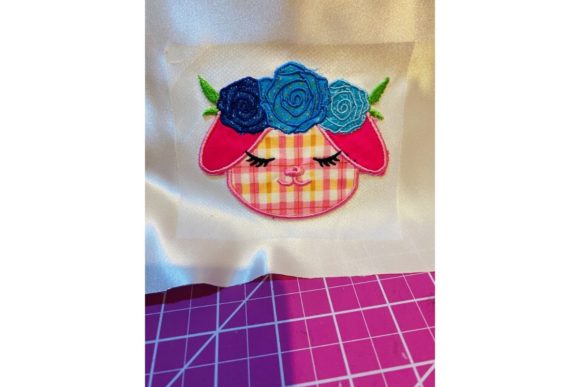
Upon reviewing the preview images, Peaceful Lamb exudes a sense of calm and rustic charm. The aesthetic leans heavily towards the handmade and friendly side of the spectrum. This is not a corporate, sterile logo; it is a design that invites warmth. For businesses in the bakery, florist, pet care, or boutique sectors, this visual personality is a significant asset. It signals approachability and care, two traits that drive customer trust in local and handmade markets.
The applique style mentioned in the description is particularly interesting for production efficiency. Applique designs often reduce stitch count compared to full-fill satin or tatami stitches, which can lower production time and thread costs. However, the trade-off is the need for precise fabric placement. For a small business merch line, this means you can offer a premium, textured look without the heavy stiffness that sometimes plagues dense embroidery on lightweight garments.
Real-World Applications for Custom Apparel and Accessories
Where does Peaceful Lamb shine in a commercial setting? I envision this design working exceptionally well in several key areas of custom apparel and accessories.
- Embroidered Patches: This is perhaps the strongest use case. An applique lamb creates a durable, distinct patch that can be ironed or sewn onto denim jackets, canvas totes, or baby blankets. Patches allow customers to buy a low-cost entry item that still feels high-value.
- Apron Embroidery: For bakeries and cafes, staff uniforms are walking billboards. Placing this design on the chest pocket of a canvas apron adds a touch of whimsy that aligns with artisanal food brands. It softens the professional look without sacrificing cleanliness.
- Tote Bag Design: Canvas tote bags are staples for boutiques and farmers' markets. The bold shapes typical of applique work well on the textured surface of canvas, ensuring the design remains visible and impactful from a distance.
- Cap Embroidery: While possible, caps require careful handling. The curved surface of a baseball cap can distort detailed designs. If using Peaceful Lamb here, ensure the design is scaled correctly to fit the front panel without wrapping around the sides, which can cause puckering.
For Etsy sellers and crafters, this design also serves as an excellent accent for product packaging. Imagine a simple kraft paper tag with a small embroidered lamb attached, elevating the unboxing experience for a handmade product. These small touches contribute significantly to perceived value and buyer engagement.
Technical Considerations and Production Challenges
While the aesthetic appeal is strong, any experienced embroiderer knows that technical execution is where profits are made or lost. Here are the critical factors to consider before running this design on your machine.
Fabric Texture and Stabilizer: Applique designs rely on the contrast between the base fabric and the applique fabric. If you are stitching on a textured towel or a rough linen, ensure your stabilizer is robust enough to prevent shifting. A cut-away stabilizer is often safer for items that will undergo frequent washing, such as staff uniforms or baby items. Always test on the actual fabric texture you plan to use, as thread tension behaves differently on knits versus wovens.
Stitch Density and Detail: The description mentions multiple embroidery file formats, which is standard for compatibility. However, you must check the density. If the outline stitches are too dense for the size of the lamb, you risk needle breaks or fabric perforation. Conversely, if the density is too low, the edges of the applique fabric may fray over time. I recommend running a test stitch-out on a scrap piece of your intended material to inspect spacing and edge coverage.
Color Contrast: Since this is likely a light-colored animal, thread choice is vital. On dark uniforms or navy caps, you will need high-contrast thread colors to make the design pop. Do not assume white thread will stand out on a heather grey shirt; you may need a slightly off-white or cream to create depth. Always create a printable mockup or digital proof to show clients how the thread colors will interact with their garment choices.
Strategic Use for Brand Identity and Growth
Integrating Peaceful Lamb into your product line is more than just adding a pretty picture; it is a strategic move for brand identity. Consistency is key. If this design is part of a larger Farm Animals theme, use it alongside complementary designs to create collections. For example, offer a "Barnyard Bundle" for children's clothing or a "Pasture Collection" for kitchen textiles. This encourages larger basket sizes and enhances visual consistency across your shop.
Furthermore, using a recognizable character like a peaceful lamb can become a signature mark for your business. When customers see that specific embroidery style, they should immediately associate it with your brand's values of gentleness, quality, and craftsmanship. This recognition builds loyalty and differentiates your commercial embroidery services from generic, mass-produced alternatives.
Designer Notes for Best Results
Before you launch this design into your production queue, follow these practical steps to ensure a flawless finished product:
- Check the Hoop Size: Confirm the required hoop size matches your machine's capabilities. While the description implies versatility, always verify the maximum dimensions to avoid last-minute resizing issues.
- Review Licensing: The description states it can be used in multiple contexts, but always confirm the specific commercial licensing terms. Ensure you have the right to sell items made with this digital embroidery file before investing in inventory.
- Test in Monochrome: Stitch the design out in black and white first. If the design loses its definition without color, it may rely too heavily on color blocking rather than shape. A strong design should be recognizable even in a single thread color.
- Inspect Small Sizes: If you plan to use this as a small chest logo or on a child's garment, zoom in on the details. Tiny lettering or intricate outlines can merge together when scaled down. Ensure the applique edges remain clean and distinct at smaller scales.
- Client Approval: If you are doing custom work, always provide a mockup. Show the client exactly where the Peaceful Lamb will sit on the garment. Visual approval prevents disputes and ensures the placement meets their expectations for brand identity.
In conclusion, Peaceful Lamb offers a delightful blend of charm and practicality for the right business. It is not just a decorative element; it is a tool for storytelling and brand building. By paying attention to technical details like stabilizer choice, thread contrast, and fabric suitability, you can transform this machine embroidery design into a profitable asset for your small business. Whether used on a cozy tote bag, a professional apron, or a playful patch, this design has the potential to resonate deeply with customers who value the handmade touch.