Father and Son: A Designer’s Review for Branded Merch
As an embroidery designer who has spent years digitizing and reviewing files for small business owners, I approach every new machine embroidery design with a critical eye. It is not just about whether the artwork looks cute on a screen; it is about how that design performs when stitched onto real fabric, worn by customers, and used to build a brand. Recently, I reviewed the Father and Son design, a piece categorized under Father S Day themes but possessing a versatility that extends far beyond a single holiday. For boutique owners, Etsy sellers, and apparel decorators, understanding the practical application of this embroidery file is key to maximizing its commercial value.
First Impressions: Visual Personality and Brand Fit
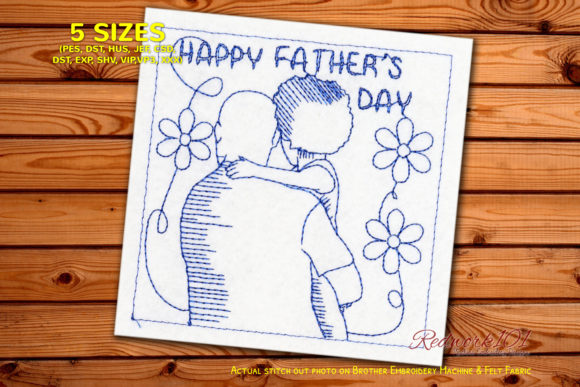
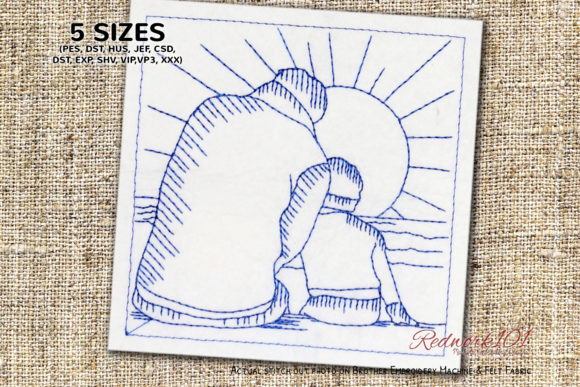
The product description promises a "sweet design" that adds a "cheerful touch," and upon initial inspection, Father and Son delivers on this premise. The visual personality leans heavily into the warm, nostalgic, and handmade aesthetic. It does not scream corporate minimalism; rather, it exudes a sense of approachability and family-oriented comfort. For brands in the bakery, florist, pet care, or local café sectors, this emotional resonance is invaluable.
When evaluating design assets for client projects, I look for immediate legibility and emotional connection. This design feels classic yet playful, making it suitable for businesses that want to project trust and friendliness. However, because it is described as "lovely" and "high-quality," we must assume there is a level of detail that requires careful handling. It is not a blocky, industrial logo. It is a narrative piece. This distinction is crucial when deciding where to place it on your custom apparel or merchandise.
Real-World Applications for Small Business Merch
The true test of any digital embroidery file is its adaptability across various products. Here is how Father and Son performs in common small business scenarios:
- Embroidered Patches: This is perhaps the strongest use case. A patch allows you to control the backing and stabilizer independently of the garment. You can create a high-quality embroidered patch featuring this design and sell it as an add-on item or use it to brand tote bags and jackets without stitching directly into delicate fabrics.
- Apron Embroidery: For bakeries and craft studios, staff uniforms are walking billboards. Placing Father and Son on the chest pocket area of a canvas apron creates a professional yet personal look. It suggests that the business values family, tradition, and care.
- Tote Bag Design: Canvas tote bags are a staple for handmade brands. This design works well as a central focal point. Ensure you use a cut-away stabilizer to prevent puckering, as the weight of the stitches needs support on lighter canvas textures.
- Cap Embroidery: Using this on headwear requires caution. Cap fronts are curved and have limited height. If the design has vertical height, it may need resizing. It works best as a side-panel accent or on unstructured dad hats where the fabric is more forgiving.
Navigating Technical Challenges and Fabric Constraints
While the aesthetic appeal is high, experienced embroiderers know that "sweet" designs often come with technical pitfalls. The description notes it is a "high-quality embroidery," but it does not specify stitch count or density. This is where your expertise as a producer comes in. You must evaluate the stitch density before running a full production batch.
If the design features fine lines or small text, it may not hold up on textured fabrics like terry cloth towels or rough denim. On dark uniforms, you must ensure there is sufficient contrast in the recommended thread colors. If the design relies on subtle shading, it might get lost on black or navy garments. I always recommend testing the design in black and white first. If the silhouette loses its definition without color, the design may be too complex for small-scale applications.
Furthermore, consider the hoop size required. If the design is large, it may not fit on standard cap frames or small pouch pockets. Always check the dimensions against your machine’s capabilities. For items that undergo frequent washing, such as staff t-shirts or baby apparel, ensure the satin stitches are not too long, as they can snag. A proper underlay and appropriate stabilizer selection are non-negotiable for maintaining the integrity of the finished product.
Impact on Brand Identity and Customer Trust
In the world of small business merch, consistency is king. Using a design like Father and Son contributes to a cohesive brand identity that feels human and grounded. When customers see consistent, high-quality embroidery on your packaging accents, gift items, or staff uniforms, it builds trust. It signals that you care about the details.
This design can elevate the perceived value of a simple item. A plain cotton tote becomes a keepsake; a standard apron becomes a uniform of pride. For Etsy sellers and crafters, offering personalized or themed items using this design can increase buyer engagement. It taps into the emotional market of Father S Day, but also broader themes of mentorship, family business, and legacy. By integrating this into your commercial embroidery offerings, you are not just selling a stitch pattern; you are selling a feeling.
Practical Designer Notes for Production
Before you commit to using Father and Son for your next client project or product line, follow these practical steps to ensure success:
- Verify Licensing: The product description does not explicitly state commercial license terms. Always confirm with the seller that you have the right to use this digital embroidery file for physical goods you intend to sell. Never assume a download includes commercial rights.
- Create a Printable Mockup: Before stitching, place the design digitally on photos of your actual products. This helps you visualize scale and placement. Does it look crowded on a pocket? Does it disappear on a large bag?
- Test on Real Fabric: Do not rely solely on screen previews. Stitch out a sample on the exact fabric texture you plan to use. Check for puckering, thread breaks, or registration issues.
- Check Spacing and Detail: Inspect the design at 100% zoom. Are there tiny elements that might merge together when stitched? If so, consider simplifying or enlarging the design slightly.
- Compare with Other Assets: Ensure this design complements your existing logo and branding elements. It should feel like part of a family of designs, not an outlier.
In conclusion, Father and Son is a charming addition to any embroidery library, particularly for those targeting family-oriented or artisanal markets. Its strength lies in its emotional appeal and versatility across patches, aprons, and totes. However, its successful implementation depends entirely on your technical execution. By respecting the limitations of fabric texture, hoop size, and stitch density, you can transform this lovely design into a powerful tool for your brand. Always prioritize quality control and licensing compliance to protect your business reputation. With careful planning, this design can become a staple in your handmade product lineup, delighting customers and enhancing your professional presentation.