Crocodile Redwork: A Designer’s Review for Craft Fairs
As an embroidery designer who has spent countless weekends behind a folding table at local markets, I have learned that not every design translates into a bestseller. Some designs are technically impressive but visually quiet, while others grab attention from ten feet away. Today, I am reviewing Crocodile Redwork, a reptile-themed machine embroidery design that promises simplicity and bold visual impact. For craft fair sellers, Etsy shop owners, and handmade boutique makers, understanding how a specific motif performs in the real world is crucial for inventory planning.
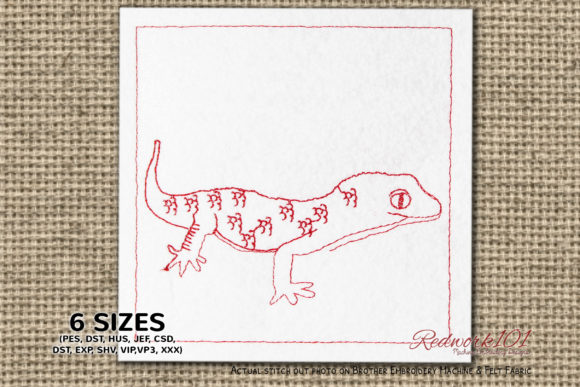
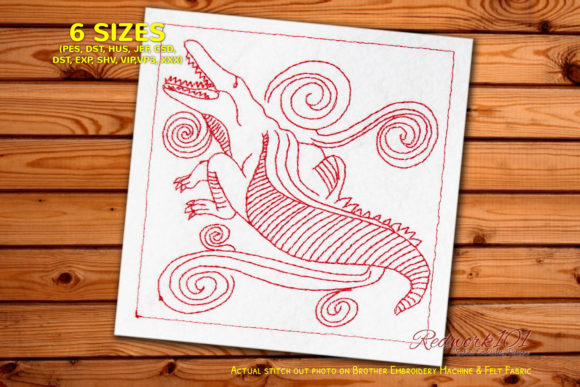
When I first loaded the Crocodile Reptile Embroidery Design into my software, my immediate impression was one of playful minimalism. Redwork, by definition, relies on a single thread color against a neutral background, creating a high-contrast, graphic look. This particular crocodile motif feels rustic yet modern, striking a balance that appeals to both children and adults who appreciate whimsical home decor. It does not try to be overly realistic or dense; instead, it leans into the charm of outline stitching, making it an ideal candidate for quick production runs.
Visual Appeal and First Impressions
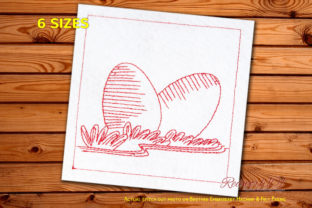
In a crowded craft fair aisle, customers scan tables rapidly. They do not stop for clutter; they stop for clarity. Crocodile Redwork excels here because its silhouette is instantly recognizable. The description notes that the box stitch shown in promotional pictures is optional, which is a significant advantage. This flexibility allows us, as creators, to decide whether we want a framed look or a free-floating motif. If the outer box is a different color in most variations, it suggests that the design is versatile enough to handle multi-color accents if we choose to deviate from strict redwork traditions.
The mood of this design is undeniably cute and slightly funny. It lacks the aggression of a realistic predator depiction, making it safe for family-friendly products. For a handmade product line, this approachability is key. It feels decorative rather than intense, fitting seamlessly into farmhouse, nursery, or casual outdoor themes. When evaluating design assets for a new collection, I look for motifs that tell a story without needing explanation. This crocodile does exactly that.
Product Applications for Maximum Sales
Where does Crocodile Redwork shine as a finished product? Based on its scale and style, I recommend focusing on items with large, flat surfaces. Here is how it performs across common craft fair categories:
- Tote Bag Design: This is perhaps the strongest application. A canvas tote with a large, centered crocodile in bright red thread creates an instant statement piece. It is practical, durable, and highly photogenic for social media.
- Tea Towel Embroidery: Kitchen linens are staple small shop products. The redwork style complements the traditional aesthetic of flour sack towels. Ensure you use a cut-away stabilizer to prevent puckering on the loose weave.
- Apron Embroidery: Whether for kids or adults, an apron featuring this reptile adds personality. It works well as a focal point on the bib or as a smaller accent near the pocket.
- Embroidered Patch: If the design scales down well, it makes an excellent iron-on or sew-on patch. Patches are low-commitment purchases for browsers who love the design but do not need a bag.
- Pillow Covers: A neutral linen pillowcase with this bold outline creates a sophisticated yet playful look for home decor boutiques.
For caps and curved surfaces, proceed with caution. While possible, the wide stitches typical of redwork can sometimes bridge gaps on curved fabric if the stabilizer is not perfect. I would prioritize flat goods like market bags and pouches for this specific digital embroidery file to ensure consistent quality.
Production Efficiency and Batch Selling
For those of us running a commercial embroidery business, time is money. One of the biggest selling points of Crocodile Redwork is its likely low stitch density. Redwork designs generally use running stitches or simple satin borders, which means they stitch out faster than complex, filled motifs. This speed allows for higher volume production before a weekend market.
Furthermore, the simplicity of the design makes it repeatable. You can hoop multiple tea towels or tote bags in succession with minimal trimming and jumping. For an Etsy seller, this consistency is vital. It ensures that every customer receives a product that looks identical to the printable mockup on their listing. When you can produce ten units in the time it takes to do two complex designs, your profit margin per hour increases significantly.
Technical Considerations and Careful Use
While the design is user-friendly, there are technical nuances to consider before you start stitching for sale. Always check the specific details of the embroidery file provided by the designer. Since the prompt mentions that the box stitch is optional and colors may vary, you must verify the stitch order in your software.
Here are critical production notes for this design:
- Fabric Texture: Redwork reveals the fabric underneath. On textured towels, ensure your needle is sharp enough to penetrate without causing pulls. On smooth cottons, the contrast will be crisp and clean.
- Thread Colors: Traditional redwork uses red, but do not be afraid to experiment. A deep forest green or navy blue could modernize the look. However, avoid using thread colors that blend too closely with the fabric, as the design will lose its clarity.
- Stabilizer Selection: Because redwork often involves long travel stitches, proper stabilization is non-negotiable. Use a tear-away for stable wovens like tote canvas, but switch to a cut-away for stretchy knits or loose-weave linens to maintain shape.
- Scaling Limits: Test the design on scrap fabric at various sizes. If you shrink it too much, the details of the crocodile’s scales or eyes may merge, turning into a blob. Confirm the minimum hoop size required to retain detail.
- Dense Stitch Areas: Although redwork is generally light, check for any overlapping stitches in the digital preview. If there are dense areas, ensure your tension is adjusted to prevent puckering.
Enhancing Brand Consistency and Buyer Engagement
Using a cohesive design like Crocodile Redwork helps build brand recognition. If you specialize in whimsical nature themes, this reptile fits perfectly alongside frogs, turtles, or lizards. It strengthens your booth display by creating a themed collection rather than a random assortment of items. Customers are more likely to buy when they see a curated set.
To maximize engagement, create a real mockup before listing. Photograph the embroidered item in natural light. Show the texture of the thread and the quality of the backing. For online listings, close-up shots of the stitch quality reassure buyers of the handmade quality. Mention that it is a commercial embroidery product if you are selling the digital file, or highlight the durability if selling the finished good.
Before finalizing your inventory, confirm commercial licensing terms. Ensure that the digital embroidery file you purchased allows for the sale of finished physical products. Most designers allow this, but it is always safer to double-check. Once confirmed, you can confidently market these items as unique, handcrafted pieces.
In conclusion, Crocodile Redwork is a strong contender for your next craft fair lineup. It balances aesthetic appeal with production efficiency. By choosing the right products, such as tote bags and tea towels, and paying attention to technical details like stabilizer and thread contrast, you can turn this simple design into a profitable segment of your handmade business. It is bold, clear, and charming—exactly what catches the eye of a passing customer.