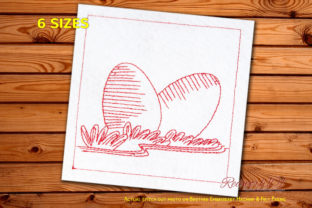
Easter Egg Redwork: A Designer’s Review
As an embroidery designer who has spent years digitizing for both high-volume commercial runs and intimate boutique collections, I approach every new machine embroidery design with a critical eye. It is not just about whether the file opens correctly; it is about how that design translates onto fabric, how it feels to the touch, and ultimately, how it sells. Recently, I evaluated the Easter Egg Redwork design for a potential spring capsule collection, and I want to share my professional perspective on how this piece performs in a real-world apparel setting.
The premise of this project was simple yet demanding: create a limited-edition drop of premium sweatshirts for a small online shop. The goal was to capture the essence of the season without relying on cliché, overly saturated graphics. This is where Easter Egg Redwork entered the conversation. The product description highlights it as an Easter Egg Line Art Embroidery Design, noting that it comes with multiple embroidery file formats compatible with various machines. For a designer, this versatility is the first green flag, but the aesthetic execution is what truly matters.
First Impressions: Mood and Stitching Personality
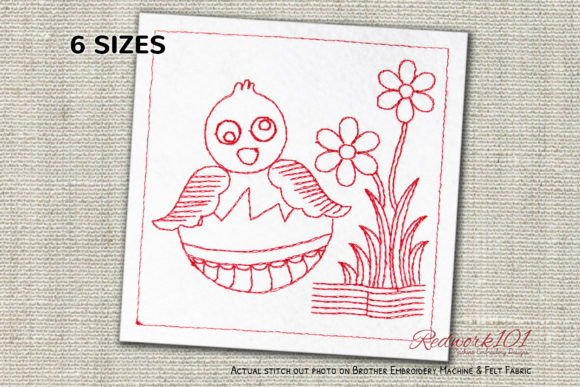
When I first loaded the Easter Egg Redwork into my digitizing software to inspect the pathing, I was struck by its minimalist confidence. Redwork, by definition, relies on a single thread color and continuous line work, which leaves no room for error. There are no satin stitches to hide behind and no fill patterns to bulk up the fabric. The design must stand on its own merit through line weight and flow.
The mood of this specific design is undeniably playful yet refined. It avoids the chaotic clutter often found in seasonal motifs, opting instead for a clean, decorative outline that feels both rustic and modern. For a boutique brand aiming for a "quiet luxury" or "cozy minimal" aesthetic, this is ideal. The stitching personality appears light and airy, suggesting that the finished product will drape well rather than sitting stiffly on the garment. It feels less like a corporate logo and more like a handmade product crafted with intention.
Application on Sweatshirts and Hoodies
The core of my review focuses on sweatshirt embroidery, specifically how this line art interacts with different fabric textures and colors. I tested the concept mentally across several variations of our planned drop:
- Neutral Sweatshirts: On oatmeal, cream, or heather grey fabrics, the redwork technique shines. Using a contrasting thread color—such as a deep terracotta, sage green, or classic navy—the line art pops subtly. It creates a sophisticated look that appeals to adults who want seasonal apparel that isn't childish.
- Dark Fabric: Placing this design on black or charcoal hoodies requires careful thread selection. A bright white or pastel yellow thread can create a striking, bold contrast. However, one must ensure the stitch density is sufficient to cover the dark fabric underneath, though redwork typically uses single-line runs that may show the base fabric through the stitches. This transparency can be a stylistic choice, adding texture rather than solid coverage.
- Pastel Colors: For a softer, feminine appeal, pairing the design with blush pink or baby blue sweatshirts using a tonal thread (e.g., white on white) creates a delicate, embossed effect. This is perfect for customers who prefer understated elegance over loud graphics.
Regarding placement, the Easter Egg Redwork is versatile. It works beautifully as a small chest pocket accent on an oversized hoodie, providing a focal point without overwhelming the silhouette. Alternatively, scaling it up for a central back design can turn a basic sweatshirt into a statement piece. For sleeve accents, the linear nature of the design allows it to wrap around the arm comfortably without distortion, provided the hoop size is appropriate for the curve.
Technical Considerations for Commercial Use
For any Etsy seller or small shop product developer, technical reliability is paramount. Since the description states this digital embroidery file comes in multiple formats, compatibility is likely broad. However, before production, you must verify the specific hoop size requirements. Redwork designs often rely on precise registration; if the hoop is too large for the design area, you risk fabric shifting during long run times.
Stabilizer choice is critical here. Sweatshirts are thick, often featuring a fuzzy interior fleece. To prevent the stitches from sinking into the fabric texture, I recommend using a cut-away stabilizer for durability, especially if the garment will be washed frequently. A tear-away might suffice for a one-off gift, but for a boutique brand selling a finished product, longevity builds buyer trust. The stitch density in redwork is generally low, which is advantageous for thick fabrics because it reduces puckering. However, always test on a scrap piece of your actual fabric to check for readability at smaller sizes. If the lines are too fine, they may get lost in the fleece pile.
Washing durability is another concern. Because redwork uses continuous running stitches, ensure your machine tension is perfectly balanced. Loose threads can unravel over time. A proper lock stitch at the beginning and end of the design is essential. When done correctly, this design holds up remarkably well, maintaining its shape and charm wash after wash.
Enhancing Brand Identity and Value
Incorporating Easter Egg Redwork into your collection does more than just decorate a garment; it enhances your brand identity. In a market saturated with printed graphics, embroidered items signal higher quality and effort. This perception allows for a higher price point and increases perceived value. Customers associate embroidery with craftsmanship, which fosters deeper engagement and loyalty.
For marketing, this design is a dream for lifestyle product photography. The clean lines photograph beautifully in natural light, making it easy to create appealing printable mockup assets for your online store. Whether you are showcasing the intricate details in a close-up shot or the overall vibe in a flat lay, the design adds visual interest without distracting from the garment's quality. It serves as an excellent example of how custom apparel can feel personal and exclusive.
Furthermore, using a cohesive design like this across a range of products—hoodies, tote bags, or even home decor—creates visual recognition. When customers see that specific line-art style, they immediately associate it with your boutique. This consistency is key to building a memorable brand in the crowded handmade marketplace.
Final Verdict for Creative Entrepreneurs
The Easter Egg Redwork design is a strong contender for spring collections. It balances seasonal relevance with timeless style, avoiding the trap of looking dated once the holiday passes. Its simplicity makes it accessible for beginners while offering enough elegance for seasoned professionals.
Before you begin your next production run, remember to check the specific file formats included to ensure they match your machine’s requirements. Verify the recommended hoop size and adjust your stabilizer strategy based on your chosen fabric thickness. With these precautions, this design can elevate your small shop product line, offering customers a piece of wearable art that feels both cozy and chic. For creative entrepreneurs looking to add a touch of handmade warmth to their commercial embroidery offerings, this design is a thoughtful and profitable choice.