Gekkonidae Lineart: A Designer’s Review
As an embroidery designer who has spent years digitizing patterns and stitching out thousands of designs, I approach every new machine embroidery design with a critical eye. We are not just looking for pretty pictures; we are looking for stitchability, emotional resonance, and commercial viability. When I first encountered Gekkonidae Lineart on Creative Fabrica, I was immediately drawn to its minimalist elegance. In a market saturated with overly complex, dense fills, this design offers a breath of fresh air. It captures the delicate essence of reptile imagery without the heaviness that often plagues animal motifs.
For those of us creating handmade products, the challenge is often balancing aesthetic appeal with technical execution. This particular embroidery file shines because it understands the medium. Line art, when done correctly, allows the texture of the fabric to breathe through the stitches. It feels modern, sophisticated, and surprisingly versatile. Whether you are an Etsy seller looking to expand your niche or a hobbyist wanting to create meaningful keepsakes, this design offers a unique opportunity to explore the beauty of nature in a subtle, refined way.
The Emotional Appeal of Minimalist Reptile Art
Let’s talk about the vibe. When we think of Reptiles in Embroidery, we often imagine bold, colorful iguanas or realistic geckos with heavy satin stitches. Gekkonidae Lineart takes a different path. It is playful yet serene. The lines are clean, suggesting movement and life without shouting for attention. This makes it an excellent choice for customers who appreciate understated luxury. It feels cozy and organic, fitting perfectly into the current trend of biophilic design in home decor.
The visual softness of this design means it does not overpower the garment or item it adorns. Instead, it complements it. For a personalized gift, this is crucial. You want the recipient to feel the thoughtfulness of the gesture, not just see a loud graphic. The delicate nature of the line work evokes a sense of care and precision, which translates directly into perceived quality for your small shop product.
Versatility Across Product Categories
One of the strongest assets of Gekkonidae Lineart is its adaptability. I have mentally stitched this design onto various substrates, and the results are promising across several categories:
- Baby Embroidery: The gentle lines are perfect for nursery items. Imagine this stitched onto a muslin swaddle or a organic cotton onesie. It is gender-neutral and whimsical, appealing to modern parents who want something beyond traditional stars and moons.
- Wedding Gift: For the couple who loves nature, this could be embroidered on a high-quality linen handkerchief or a guest book cover. It adds a touch of personality without being too casual.
- Embroidered Towel: Kitchen towels are a staple for craft fairs. The open structure of line art works beautifully on terry cloth, provided you use the right stabilizer. It creates a chic, boutique look.
- Pillow Cover: A neutral linen pillow with this gecko motif becomes an instant statement piece for a living room or reading nook. It pairs well with botanical prints and earth tones.
- Blanket Embroidery: Adding this to the corner of a fleece or waffle-weave blanket adds a custom touch that elevates a simple item into a heirloom-quality finished product.
Furthermore, this design is ideal for custom embroidery projects where the client wants something unique. It works exceptionally well for tote bags, aprons, and even custom gift boxes where a small, elegant logo or motif is needed. For digital product sellers, the clean lines make it easy to create stunning printable mockup images that look professional and inviting.
Technical Considerations for Successful Stitching
While the design is beautiful, we must address the practical side of Creative Fabrica embroidery usage. Line art can be tricky if not handled with care. Here are my professional recommendations for ensuring a high-quality result:
- Stabilizer Choice: Because line art relies on continuous, often thin lines, stability is key. On stretchy fabrics like baby clothes, use a cut-away stabilizer to prevent distortion. For woven fabrics like towels or linen, a tear-away might suffice, but test first. The goal is to keep those delicate lines crisp.
- Fabric Texture: Be mindful of highly textured fabrics. If the pile is too high, the fine details of the gecko might get lost. Smooth cottons, linens, and tightly woven blends are your best friends here.
- Thread Colors: Contrast is everything. On dark fabric, use a bright or metallic thread to make the design pop. On light fabric, a subtle tone-on-tone thread can create a sophisticated, embossed effect. Always compare thread colors against your fabric before hooping.
- Test Stitch-Out: Never skip this step. Create a test stitch-out on a scrap piece of the same fabric. Check for small details after stitching. Are the lines connecting properly? Is there any puckering? This step saves you from ruining expensive materials.
- Hoop Size: Confirm the hoop size required for this specific file. While line art is often compact, you need to ensure your machine can accommodate the design dimensions without re-hooping, which can cause alignment issues.
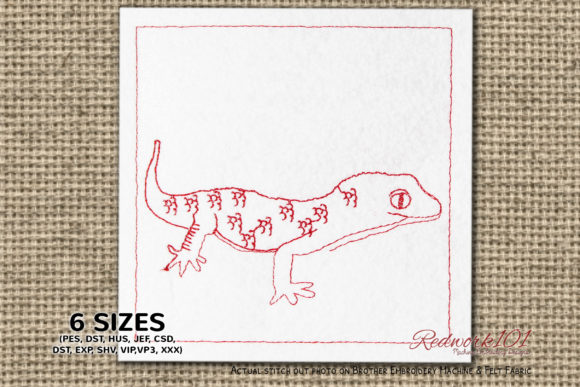
It is also important to note the description details regarding the box stitch. The Box Stitch shown in promotional pictures is often optional or separate. The color of the outer box may differ in the actual files unless it is integral to the design. Always review the included files carefully to understand what elements are separate and what is combined.
Building Trust and Value for Your Customers
When you sell a handmade product, you are selling trust. A clean, well-executed embroidery design signals professionalism. Gekkonidae Lineart helps build this trust because it looks intentional and high-end. It avoids the "cheap" look that sometimes comes from poorly digitized, overly dense designs.
For commercial embroidery purposes, this design can significantly enhance buyer engagement. Customers are drawn to uniqueness. A gecko motif is less common than a floral pattern, making your items stand out in a crowded marketplace. It invites questions and stories, which is great for social media marketing. Imagine posting a behind-the-scenes video of this design stitching out; the rhythmic, precise nature of line art is very satisfying to watch and can drive traffic to your shop.
Moreover, the durability of the finished item matters. Line art, with its lower stitch density compared to fill-heavy designs, tends to wash well. It does not create a stiff, cardboard-like patch on the fabric. This means your personalized gift remains soft and comfortable, increasing the likelihood of repeat customers and positive reviews.
Final Thoughts on Licensing and Usage
Before you start stitching for profit, always review the license terms on Creative Fabrica. Understanding whether you can use the digital embroidery file for unlimited physical sales is vital for your business planning. Most designs on the platform come with generous commercial licenses, but it is your responsibility to confirm this for each purchase.
In conclusion, Gekkonidae Lineart is a standout addition to any embroiderer’s library. It bridges the gap between artistic expression and technical feasibility. Whether you are making a wedding gift, stocking your Etsy store, or creating a special keepsake for a newborn, this design delivers. It is a reminder that sometimes, less is more. By choosing a design that respects the fabric and the viewer’s eye, you elevate your craft from simple decoration to true artistry. Happy stitching!