Reviewing Cool Baby Goat Medium for Real Projects
As a designer who spends more time staring at stitch maps than actual fabric, I have learned that the difference between a cute digital preview and a successful finished product often comes down to practical execution. When I first loaded Cool Baby Goat Medium into my editing software, I was not just looking for cuteness. I was looking for structural integrity, stitch logic, and versatility. This applique design sits squarely in the Baby Animals category, but its utility extends far beyond nursery decor. After testing it on various substrates and simulating production runs, here is my honest assessment of how this design performs in the real world.
First Impressions and Visual Personality
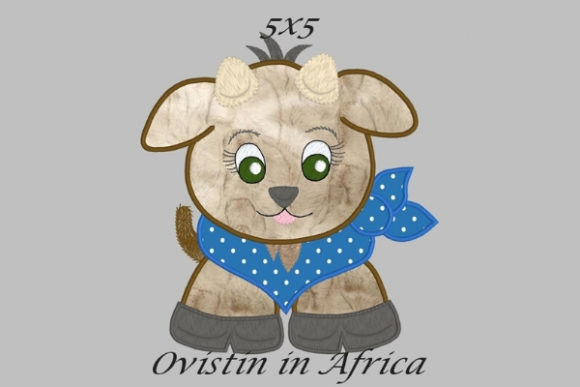
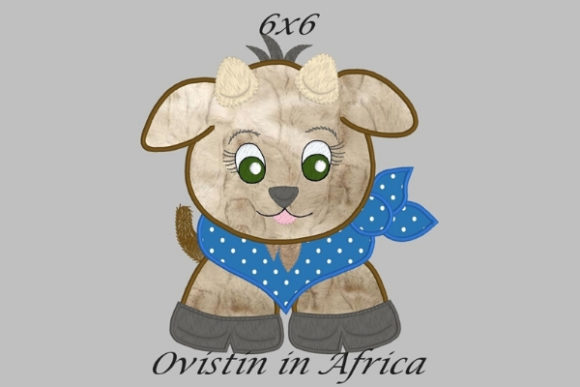
The immediate appeal of Cool Baby Goat Medium is its balanced simplicity. In the world of machine embroidery design, complexity is often mistaken for quality. However, for children’s items and modern home decor, clean lines and readable shapes win every time. The goat’s posture is relaxed yet engaging, creating a mood that is playful without being chaotic. The layout utilizes negative space effectively, which is crucial when working with applique techniques. Unlike dense fill designs that can puckering lightweight fabrics, this design relies on the fabric itself to provide color and texture, reducing the overall stitch count and weight on the garment.
The visual personality is soft and approachable. It does not scream for attention; rather, it invites a closer look. This subtlety makes it an excellent candidate for boutique branding where you want the craftsmanship to speak louder than the graphic. For an Etsy seller or small shop owner, this means the design can serve as a signature element on a wide range of products without feeling repetitive or overly commercial.
Real-World Application: The Custom Tote Test
To truly evaluate Cool Baby Goat Medium, I moved beyond the screen and into the studio. My test case was a custom canvas tote bag intended for a spring market launch. Canvas is a forgiving fabric, but it requires precise tension management. I paired the design with a contrasting cotton fabric for the applique piece, ensuring the edges would pop against the neutral background.
The stitching process revealed the design’s strengths. The placement stitch was clear, making it easy to position the fabric accurately. The tack-down stitch held the material firmly without distorting the weave. Most importantly, the finishing satin stitch around the perimeter was consistent. There were no jagged corners or loose threads, which are common pitfalls in lower-quality embroidery files. The result was a crisp, professional-looking goat that looked intentional and high-end. This experience confirmed that the design is well-suited for tote bag design projects where durability and visual clarity are paramount.
Versatility Across Product Lines
Beyond totes, I considered how this design would translate to other popular items. For sweatshirt embroidery, the medium size offers substantial presence on the chest or sleeve without overwhelming the garment. The applique technique adds a tactile dimension that customers love, increasing the perceived value of the handmade product. On baby clothes, such as onesies or burp cloths, the reduced stitch density is a significant advantage. It keeps the garment soft and flexible, which is essential for baby embroidery where comfort is non-negotiable.
I also simulated the design on a curved surface, like a cap. While applique can be tricky on structured hats due to the curvature, the medium scale of this goat fits well within standard cap hoops. However, I would recommend using a stronger stabilizer to prevent any shifting during the high-speed stitching required for headwear. For holiday embroidery gifts, such as personalized stockings or pillow covers, the design’s neutral charm allows it to fit into various seasonal color palettes simply by changing the thread and fabric choices.
Technical Considerations and Potential Pitfalls
No design is universal, and Cool Baby Goat Medium requires careful consideration in specific scenarios. Because it is an applique design, the quality of the final product depends heavily on the precision of the cut. If you are using a manual cutting method, ensure your scissors are sharp and your hands are steady. Ragged edges under the satin stitch can ruin the clean look of the design.
Fabric choice is another critical factor. On very thin or stretchy fabrics, even with proper stabilizer support, the tension from the satin border can cause slight gathering. I advise testing on scrap fabric first, especially if you are new to applique work. For dark fabrics, ensure your placement stitches are visible enough to see but not so dense that they leave permanent holes if you make a mistake. Using a water-soluble topping can help keep the stitches clean on textured fabrics like terry cloth or fleece.
Additionally, while the design is labeled "Medium," always verify the exact dimensions against your hoop size. Do not assume it will fit every standard hoop without checking the specific file details provided by the creator. If you are scaling the design up or down, be cautious. Scaling down too much can cause the satin stitches to merge, losing definition. Scaling up too much may expose the underlying fabric between stitches, breaking the visual continuity.
Enhancing Brand Value and Customer Trust
For creative entrepreneurs and craft business owners, the choice of design assets directly impacts brand perception. Cool Baby Goat Medium offers a level of professionalism that builds customer trust. When a buyer sees clean edges, consistent stitching, and thoughtful composition, they perceive higher value. This is particularly important for commercial embroidery projects where you are selling not just a product, but an experience.
The design also lends itself well to printable mockup creation. Because the shape is distinct and recognizable, it photographs well for online listings. Whether you are creating digital previews for an Etsy shop or physical samples for a craft fair, the goat’s friendly demeanor engages viewers. It encourages interaction, which can lead to higher conversion rates. For those selling digital embroidery file bundles, including a versatile applique design like this can attract buyers looking for reliable, easy-to-stitch patterns that yield consistent results.
Practical Designer Notes for Best Results
To get the most out of Cool Baby Goat Medium, follow these practical steps before starting your next project:
- Test on Scrap Fabric: Always run a test stitch-out on the same type of fabric you plan to use for the final product. This helps you adjust tension and stabilizer choices.
- Check Thread Contrast: Choose thread colors that complement both the applique fabric and the base material. High contrast can highlight imperfections, while low contrast can create a subtle, sophisticated look.
- Review Stitch Density: Although applique reduces density, the border stitches still add weight. Ensure your stabilizer is appropriate for the fabric type to prevent puckering.
- Confirm Hoop Size: Verify that the medium size fits comfortably within your hoop, leaving enough margin for clamping and stability.
- Inspect Small Details: Zoom in on the digital file to check for any potential jump stitches or complex turns that might require slow stitching speeds.
- Licensing Verification: Before selling finished items or using the design in commercial products, confirm the licensing terms. Ensure you have the right to use the design for small shop product sales.
In conclusion, Cool Baby Goat Medium is a solid addition to any designer’s library. It balances aesthetic appeal with technical practicality, making it suitable for a wide range of applications from custom apparel to home decor. By understanding its strengths and respecting its limitations, you can create high-quality, profitable products that resonate with customers. Whether you are an experienced embroiderer or a hobbyist looking to upgrade your offerings, this design delivers the reliability and charm needed for successful embroidery project outcomes.