Review: Cool Baby Goat Small for Real Projects
As a designer who spends more time staring at stitch simulations than I do sleeping, I have learned that the cutest digital preview does not always translate to the best finished product. When I first loaded Cool Baby Goat Small into my software, I was looking for more than just an adorable face. I needed to know if this applique design had the structural integrity to hold up on real fabric, in real hoops, for real customers. This review breaks down how this specific machine embroidery design performs when moved from the screen to the sewing room.
First Impressions and Visual Personality
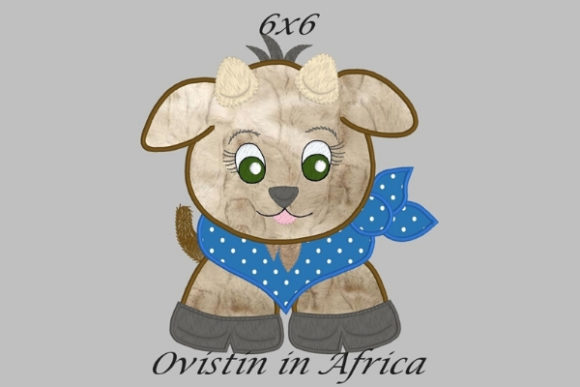
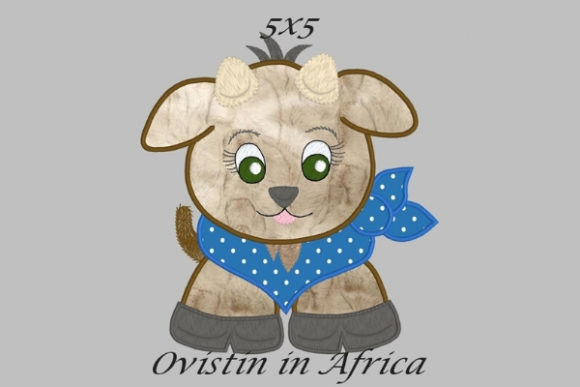
The immediate appeal of Cool Baby Goat Small lies in its simplicity. In the world of Baby Animals, it is easy to get lost in excessive detail, but this design keeps things clean. The layout is balanced, with a clear focal point that draws the eye without overwhelming the surrounding negative space. Because it is an applique style, the visual weight is distributed between the fabric patch and the outlining stitches. This creates a lovely texture contrast that flat embroidery sometimes lacks.
The mood is undeniably cheerful and soft. It feels approachable, which makes it a natural fit for items intended for children or those who appreciate whimsical, gentle aesthetics. However, from a technical standpoint, I was immediately checking the curve quality. Applique designs live or die by their curves. If the satin stitch border is too wide or the angle changes are too abrupt, you end up with puckering or thread breaks. Visually, this design looks smooth, suggesting well-digitized paths that should lay flat on most stable fabrics.
Real-World Application: The Tote Bag Test
To truly evaluate an embroidery file, you have to imagine it on a product. I recently worked on a custom order for a local boutique needing tote bag design options for their spring collection. Cool Baby Goat Small became a top contender. Why? Because tote bags often use canvas or heavy cotton, which can be tricky for dense designs. An applique approach reduces the total stitch count significantly compared to a full fill, making it lighter on the fabric and less likely to cause distortion.
When I mocked up the design on a natural linen tote, the contrast popped beautifully. I imagined using a cream-colored fabric patch for the goat’s body against the tan canvas, outlined in a soft charcoal or navy thread. The result was sophisticated yet playful. It did not look like a childish afterthought; it looked like intentional design assets created for a thoughtful handmade product. For an Etsy seller or small shop owner, this versatility is crucial. You want a design that can elevate a simple item into a premium personalized gift.
Versatility Across Product Lines
Beyond totes, this design shines in several other categories. For baby embroidery, it is ideal on bibs or burp cloths where softness against the skin is paramount. Since applique uses less thread bulk than full saturation fills, it remains comfortable for sensitive skin. It also works exceptionally well for sweatshirt embroidery. On fleece or French terry, a small, detailed design can get lost or cause stiffness. The bold shapes of this goat remain visible and maintain the drape of the garment.
I also see strong potential for embroidered patch creation. If you are making iron-on or sew-on patches for a craft business, this design’s clear boundaries make it easy to cut and finish. It could easily become a signature motif for a line of nursery decor, such as pillow covers or wall hangings. The key is recognizing that while it is categorized under Baby Animals, its clean lines allow it to cross over into general home decor or even casual adult apparel if styled correctly.
Technical Considerations and Fabric Choices
While the design is charming, practical application requires caution. Applique designs involve multiple steps: placing the fabric, stitching it down, trimming, and then finishing with a border. This means you must account for registration accuracy. On stretchy fabrics like jersey knits, using the right stabilizer is non-negotiable. I recommend a cut-away stabilizer for garments that will be washed frequently, ensuring the design does not pucker over time.
Another critical factor is thread colors. Because the design relies on the contrast between the applique fabric and the outline, your choice of thread can make or break the look. On dark fabrics, ensure your outline stitch is light enough to be seen, or choose a metallic thread for a subtle shimmer. Conversely, on light fabrics, a dark outline provides definition. Always test your thread colors on scrap fabric before committing to the final finished product.
Be mindful of hoop size constraints. Since this is the "Small" version, it fits easily into standard 4x4 or 5x7 hoops. However, if you are working on curved surfaces like caps, ensure your hoop setup allows for proper placement without distorting the brim. The design’s compact nature is an advantage here, allowing for precise placement on pockets, collars, or sleeve cuffs.
Commercial Value and Brand Consistency
For commercial embroidery professionals and digital embroidery file sellers, consistency is key. Cool Baby Goat Small offers a level of professionalism that builds customer trust. When a buyer sees clean edges and no loose threads, they perceive higher value. This design supports that perception by minimizing complex corners where thread buildup often occurs.
If you are creating printable mockup images for your online store, this design photographs well. The texture of the applique fabric adds depth to photos, making your listings stand out in a crowded marketplace. It helps tell a story about quality and care, which is essential for converting browsers into buyers. Whether you are selling the physical custom apparel or the digital file itself, the clarity of this design enhances your brand’s reputation for quality.
Designer Notes for Best Results
Before you start stitching, take these practical steps to ensure success:
- Test on Scrap Fabric: Always run a test stitch-out on the same type of fabric you plan to use for the final project. This helps you adjust tension and check for registration issues.
- Check Stitch Density: While applique is generally lighter, verify that the satin stitch border is not too dense for thin fabrics, which could cause perforation.
- Contrast is King: Ensure there is sufficient contrast between the applique fabric, the base fabric, and the thread color. Low contrast can make the design look muddy from a distance.
- Verify Licensing: If you plan to sell items made with this design, confirm the license terms provided by the creator. Most designers allow sales of finished physical items but restrict the resale of the digital file itself.
- Inspect Small Details: Zoom in on your software to check for any tiny jumps or unnecessary trims that might slow down your machine or create weak points in the stitching.
In conclusion, Cool Baby Goat Small is a solid addition to any designer’s library. It balances aesthetic charm with technical practicality, making it suitable for a wide range of embroidery project types. By understanding its strengths and respecting its technical requirements, you can create beautiful, high-quality items that resonate with customers and stand the test of time.