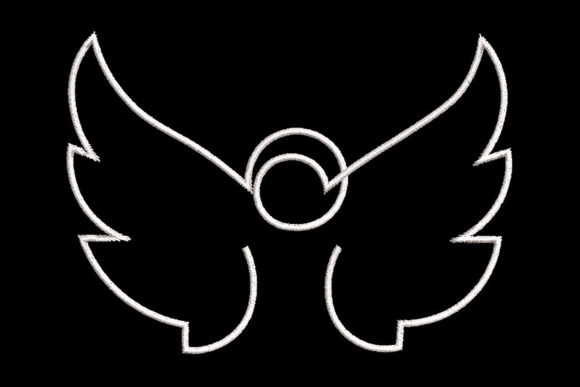
Reviewing Minimalistic One Line Angel Quilting
As an embroidery designer who has spent years digitizing patterns and testing them on real-world products, I approach every new machine embroidery design with a critical eye. It is not enough for a pattern to look good on a screen; it must perform beautifully on fabric, withstand washing, and evoke the right emotional response from the recipient. Recently, I had the opportunity to test the Minimalistic One Line Angel Quilting design, and I want to share my practical insights for fellow crafters, Etsy sellers, and small business owners looking to expand their holiday or year-round offerings.
First Impressions: Simplicity Meets Elegance
The moment I loaded the digital embroidery file, I was struck by its clean, continuous aesthetic. In a market often saturated with overly complex, high-density designs, this piece stands out for its restraint. The concept of a single, unbroken line forming the silhouette of an angel is inherently modern yet deeply traditional. It feels sweet without being cloying, and elegant without being cold.
For those of us creating personalized gift items, mood is everything. This design exudes a sense of peace and protection. It is not loud or flashy; instead, it whispers. This makes it incredibly versatile. While it fits perfectly within the Christmas category due to the angelic motif, its minimalistic nature allows it to transcend seasonal boundaries. It could easily serve as a spiritual symbol for a baptism, a comforting emblem for a sympathy gift, or a whimsical touch for a nursery.
Versatility in Product Application
One of the strongest assets of the Minimalistic One Line Angel Quilting design is its adaptability across various substrates. Because it is described as very simple embroidery suitable for beginners, it does not require heavy-duty machinery or advanced hooping techniques. Here is how I envision this design performing in a real shop environment:
- Baby Embroidery: The soft curves and lack of dense stitching make this ideal for baby blankets and swaddles. It adds a handmade touch without creating a stiff patch that might irritate delicate skin.
- Kitchen Linens: Imagine this angel stitched onto the corner of a flour sack towel. As an embroidered towel, it becomes a cherished heirloom rather than just a utility item. The single-line style ensures it dries quickly and maintains its shape after repeated washing.
- Nursery Decor: For pillow covers or wall hangings, the design offers a focal point that complements both modern Scandinavian decor and classic farmhouse styles.
- Tote Bags and Aprons: For the Etsy seller targeting adult customers, this design works beautifully on canvas totes or linen aprons. It suggests mindfulness and care, enhancing the perceived value of the handmade product.
Technical Considerations for the Maker
While the design is labeled as suitable for beginners, professional results still depend on proper technique. The product description notes a 4″ x 4″ hoop size. This is a crucial detail. Before starting your production run, you must confirm that your machine’s hoop accommodates this dimension comfortably. If you are working with a smaller hoop, you may need to reposition carefully, which risks misalignment in a continuous line design.
Another critical factor is stitch density. Since this is a one-line design, the density should be low. However, you must choose your stabilizer wisely. For stretchy fabrics like baby clothes or thin cottons, a cut-away stabilizer might provide necessary support to prevent puckering, even with light stitching. Conversely, for stable quilting cottons, a tear-away may suffice. I always recommend testing on scrap fabric first. Check how the thread interacts with the fabric texture. A matte thread on a shiny satin might get lost, while a glossy rayon thread on linen can pop beautifully.
Color choice is also pivotal. The description states, "Only one color, you choose your preferred col." This simplicity is a double-edged sword. On white or cream fabrics, a soft gray or pastel blue thread creates a subtle, sophisticated look. On dark fabrics, you need high-contrast thread colors like white or gold to ensure the angel is visible. Always create a printable mockup or stitch a sample on both light and dark fabrics to verify visibility before listing the item for sale.
Navigating Potential Challenges
Every design has its limitations, and honesty about these builds trust with your customers. The Minimalistic One Line Angel Quilting design should be used carefully on certain materials. For instance, highly textured fabrics like thick terry cloth towels might obscure the fine details of the single line. The loops of the towel can break the visual continuity of the angel’s outline.
Additionally, avoid placing this design on areas of garments that undergo extreme stretching, such as the knee of baby pants or the elbow of a tight-fitting shirt. While the stitch count is likely low, any embroidery can distort if the fabric stretches significantly during wear. Furthermore, if you are incorporating this into a larger project with small lettering, ensure the angel does not compete with the text. Its simplicity means it can easily be overshadowed by bold, complex fonts.
Enhancing Giftability and Customer Trust
From a business perspective, this design is a powerhouse for building emotional connection. Customers buying a wedding gift or a baby shower present are often looking for something that feels personal and thoughtful. The imperfection inherent in a single-line style—where the start and end points might be visible if not trimmed perfectly—adds to the charm of a custom embroidery piece. It signals human involvement.
For the small shop product lineup, this design allows for quick production times. Unlike dense fills that take hours to stitch, a continuous line design stitches out rapidly. This efficiency enables you to offer faster turnaround times for custom orders, a significant competitive advantage during the busy holiday season. Moreover, the clean aesthetic photographs exceptionally well. Flat-lay photos of this angel on a neutral background can drive high buyer engagement on social media platforms.
Licensing and Final Recommendations
Before you begin selling finished products featuring this angel, you must address the licensing terms. The product description provided does not explicitly state the license type. Therefore, I strongly advise you to check the seller’s policy regarding commercial embroidery rights. Some designers allow unlimited sales of finished physical items, while others may require an extended license for high-volume production. Never assume; always verify to protect your business.
In conclusion, the Minimalistic One Line Angel Quilting design is a delightful addition to any embroiderer’s library. It bridges the gap between traditional holiday motifs and modern minimalist trends. Whether you are creating a cozy blanket embroidery for a newborn, a delicate accent on a wedding handkerchief, or a charming detail on a kitchen towel, this design delivers elegance through simplicity. By paying attention to fabric choice, stabilizer selection, and thread contrast, you can transform this simple digital file into a cherished keepsake that resonates with customers seeking meaning and beauty in their everyday items.
Remember, the best personalized gift is one that tells a story. Let this angel be the silent guardian in your next creation, bringing warmth and grace to whoever receives it.