Baby Bug Snail: A Designer’s Holiday Review
As an embroidery designer who spends countless hours refining stitch paths and testing thread palettes, I approach every new machine embroidery design with a critical eye. It is not just about whether the design looks cute on a screen; it is about how it performs in the real world of holiday sales and seasonal gifting. Recently, I reviewed the Baby Bug Snail, a charming addition to the Bugs category that immediately struck me as a versatile asset for any creator looking to expand their seasonal embroidery offerings. This review explores how this specific design can elevate your product line, from cozy baby items to festive home decor.
First Impressions: Mood and Aesthetic Appeal
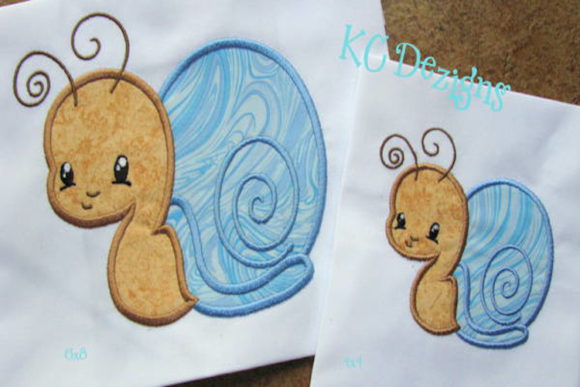
The first thing that caught my attention with the Baby Bug Snail was its inherent warmth. In the context of holiday embroidery, we often think of snowflakes, reindeer, or rigid geometric patterns. However, there is a growing demand for designs that feel organic, playful, and nostalgic. This snail design embodies a cozy, whimsical mood that fits perfectly into the "slow living" aesthetic popular among modern buyers. It feels less like a generic clipart and more like a hand-drawn illustration brought to life through thread.
The detail level is balanced nicely. It is intricate enough to show quality craftsmanship but simple enough to remain readable on smaller items. For an Etsy seller or small shop owner, this balance is crucial. You want a design that signals premium quality without requiring hours of machine time per unit. The emotional tone is gentle and inviting, making it an excellent choice for products intended as a handmade gift for newborns, toddlers, or anyone who appreciates nature-inspired motifs.
Strategic Placement in Seasonal Collections
When planning a seasonal shop collection, versatility is key. The Baby Bug Snail is available in three different hoop sizes, which significantly expands its utility. Here is how I envision this design performing in various real-world selling situations:
- Baby Showers and Newborn Gifts: This is the most obvious application. Stitched onto baby blankets, burp cloths, and hooded towels, the snail becomes a comforting companion for little ones. The soft curves of the design complement the softness of baby fabrics.
- Holiday Ornaments and Decor: For the winter holidays, consider stitching this on felt or wool blends to create rustic ornaments. It adds a touch of whimsy to a Christmas tree that differs from traditional red and green motifs.
- Apparel and Sweatshirts: A left-chest placement on a neutral-toned sweatshirt creates a subtle, trendy look. Sweatshirt embroidery requires careful attention to fabric texture, but the snail’s compact nature makes it ideal for this popular item.
- Kitchen and Home Linens: Imagine a set of flour sack towels featuring garden bugs. The kitchen towel embroidery market is strong year-round, but during the spring and holiday seasons, buyers look for cheerful, bright accents.
- Tote Bags and Patches: As a tote bag design, it appeals to eco-conscious shoppers. Alternatively, stitch it onto denim or canvas to create an embroidered patch that can be ironed or sewn onto jackets and backpacks.
Navigating Technical Challenges and Fabric Choices
While the design is charming, practical execution requires attention to detail. As a designer, I must advise caution when working with certain materials. The Baby Bug Snail likely features satin stitches for the shell and body, which can pull on stretchy garments if not properly stabilized. Always use a cut-away stabilizer for knit fabrics like t-shirts and sweatshirts to prevent distortion after washing.
Another consideration is the hoop size. Since the design comes in multiple sizes, ensure you are selecting the correct digital embroidery file for your project. Using a large design on a small hoop will result in cropping, while scaling down a large file too much can cause stitch density issues, leading to thread breaks or a messy finish. Always check the recommended dimensions provided with the file.
Color selection plays a pivotal role in the final impact. While the default thread colors might be vibrant, consider how the design looks on dark fabric versus light fabric. On dark garments, you may need to adjust the underlay or use a lighter top thread to ensure the snail pops. For a premium look, experiment with metallic threads for the shell, but test this extensively first, as metallic thread can be fragile and may not hold up well in items that require repeated washing, such as baby towels.
Enhancing Product Value and Buyer Emotion
In the competitive landscape of online handmade goods, emotional connection drives sales. The Baby Bug Snail helps build this connection by evoking feelings of nostalgia and tenderness. When customers see this design on a pillow cover or a personalized blanket, they do not just see a bug; they see a story. This emotional resonance increases the perceived value of the finished product.
For commercial embroidery businesses, this design supports brand consistency if your shop focuses on nature, childhood, or cozy aesthetics. It allows for cohesive social media previews and printable mockup graphics that stand out in a feed cluttered with generic holiday symbols. By bundling items—such as a matching snail towel and blanket—you create a higher-ticket personalized gift option that appeals to last-minute shoppers looking for meaningful presents.
Practical Designer Notes for Success
To ensure the best results with the Baby Bug Snail, follow these professional tips:
- Test Stitch Density: Before running a full production batch, stitch a sample on your actual fabric. Check for puckering or gaps.
- Verify Licensing: Confirm the commercial licensing terms included with the embroidery file. Ensure you are compliant before selling finished seasonal products.
- Mockup Realistically: Create high-quality images that show the texture of the stitches. Buyers want to see the dimensionality of the embroidery.
- Consider Fabric Texture: Avoid using this detailed design on highly textured fabrics like thick terrycloth unless you have experience with compensating for pile height.
- Plan Color Palettes: Develop specific thread color combinations for different seasons—pastels for spring babies, warm earth tones for autumn decor, and icy blues for winter gifts.
In conclusion, the Baby Bug Snail is more than just a cute motif; it is a strategic tool for embroidery entrepreneurs. By understanding its technical requirements and leveraging its emotional appeal, you can create standout products that resonate with holiday shoppers and everyday customers alike. Whether you are decorating aprons, creating quilt blocks, or designing unique apparel, this design offers the flexibility and charm needed to succeed in the handmade market.