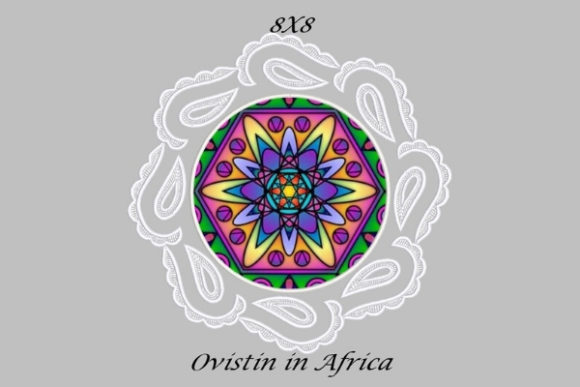
Paisley Applique Quilt Block Design Review
As an embroidery designer who has spent years digitizing and testing files for commercial use, I approach every new machine embroidery design with a critical eye. It is not just about whether the pattern looks pretty on a screen; it is about how it performs under the needle, how it translates to a finished product, and ultimately, how it serves a brand’s identity. Today, I am reviewing the Paisley Applique Quilt Block, a design that promises to blend nature-inspired aesthetics with traditional quilting motifs. For small business owners, Etsy sellers, and apparel decorators, understanding the practical application of this file is crucial before adding it to your library of design assets.
First Impressions: Visual Personality and Brand Fit
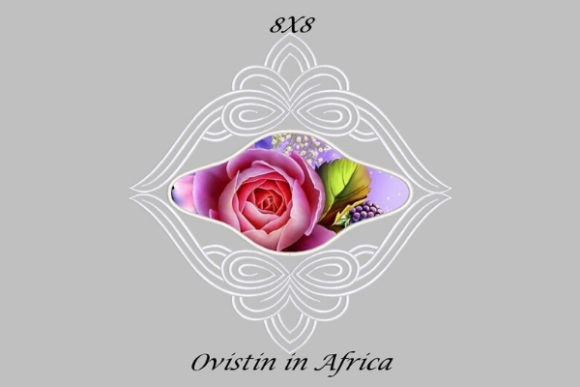
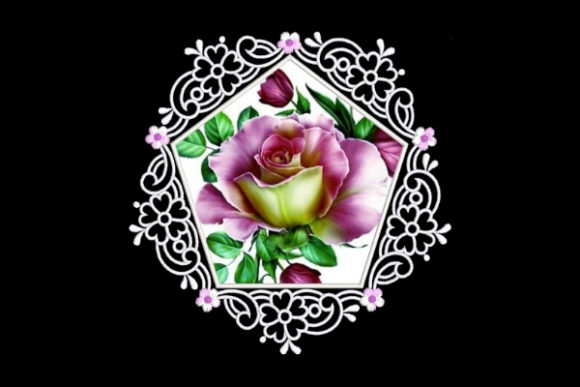
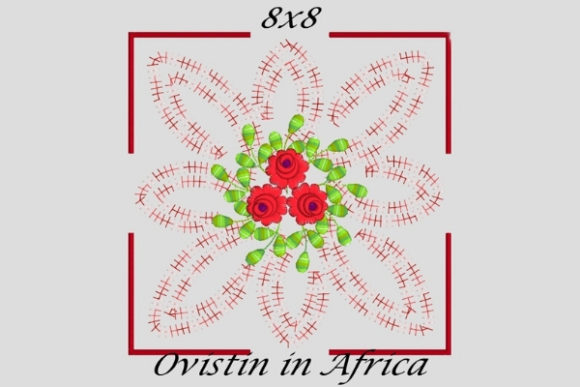
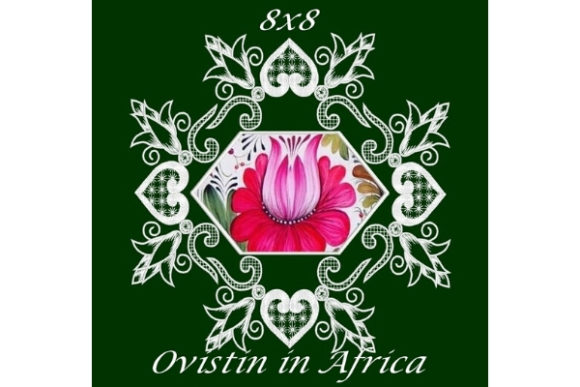
The Paisley Applique Quilt Block immediately strikes a balance between rustic charm and elegant detail. The description invites users to "go along with the love for nature," which suggests a soft, organic feel. In a business context, this visual personality is versatile. It does not scream "corporate rigidness," nor is it overly childish. Instead, it feels handmade, premium, and decorative. This makes it an excellent candidate for brands that want to convey warmth, craftsmanship, and attention to detail.
For a boutique hotel, a local florist, or an artisanal bakery, this design aligns perfectly with a brand identity centered on comfort and natural beauty. However, for a tech startup or a high-intensity gym, the aesthetic might be too soft. The key takeaway here is that the design’s strength lies in its ability to enhance handmade product lines and lifestyle merchandise rather than industrial or ultra-modern corporate uniforms.
Real-World Applications for Small Business Merch
When evaluating a digital embroidery file for commercial use, I always ask: where can this realistically go? The Paisley Applique Quilt Block offers several strong opportunities for small business merch and branded items.
- Embroidered Patches: This is perhaps the strongest use case. The block structure of the design lends itself well to being cut out as a patch. You can sew these onto denim jackets, canvas tote bags, or even use them as limited-edition collectibles for your customers. A well-made patch adds tangible value to a simple garment.
- Apron Embroidery: For cafes, bakeries, and craft studios, branded aprons are essential. Placing this paisley motif on the chest pocket or the lower corner of an apron creates a subtle yet professional look. It signals to customers that the staff takes pride in their craft.
- Tote Bag Design: Canvas totes are a staple for retail shops. Because applique designs often use fabric fills rather than dense stitching, they sit flat and light on thinner materials like canvas. This prevents the bag from puckering, ensuring a clean, professional printable mockup reality.
- Cap Embroidery: While possible, this requires caution. The curved surface of a cap front can distort intricate paisley details. If used here, it should be scaled down significantly and placed centrally to maintain symmetry.
Technical Considerations and Stitch Density
From a technical standpoint, applique designs are generally friendlier to production than full-fill satin stitch designs because they use less thread and reduce pull on the fabric. However, the Paisley Applique Quilt Block still requires careful handling regarding stitch density and registration.
Applique involves three main stages: the placement stitch, the fabric cut, and the tack-down stitch. If the registration is off by even a millimeter, the raw edges of your applique fabric may peek out, ruining the professional look of the custom apparel. Therefore, testing on your specific machine is non-negotiable. You must check if the design works at small patch sizes without losing definition. Intricate paisley curves can become muddy if the thread colors do not contrast sufficiently with the background fabric.
Furthermore, consider the hoop size required. Quilt blocks are typically square. Ensure your machine can accommodate the necessary hoop dimensions without requiring you to re-hoop mid-design, which increases the risk of misalignment. Always use a proper stabilizer appropriate for your fabric texture. For stretchy fabrics like jersey tees, a cut-away stabilizer is essential to prevent distortion over time, especially if the item will undergo frequent washing.
Strategic Use for Brand Identity and Trust
Why does the choice of embroidery design matter for brand identity? Consistency builds trust. If your brand is about slow living, natural materials, and artisanal quality, using a generic, clip-art style logo undermines that message. The Paisley Applique Quilt Block, when executed well, reinforces a narrative of quality and care.
Using this design on customer gifts, such as a small embroidered pouch or a branded handkerchief, can significantly boost buyer engagement. It transforms a transaction into an experience. When customers see consistent, high-quality commercial embroidery across your touchpoints—from your staff uniforms to your packaging accents—they perceive higher value in your products. This perception allows for better pricing power and stronger customer loyalty.
Where to Use Caution
While versatile, this design is not a one-size-fits-all solution. Avoid using it on items that require extreme durability and frequent industrial washing, such as heavy-duty workwear, unless you are certain the applique edges are securely tacked. The loose threads of an applique can catch in machinery or fray faster than solid stitching.
Additionally, be wary of using this on dark uniforms if the design relies on light-colored applique fabrics. The contrast must be sharp. If the design includes tiny lettering or fine outlines, test it thoroughly. Small details often get lost in the texture of towels or fleece. Always create a printable mockup or a physical sample before committing to a large production run.
Practical Designer Notes for Production
Before you purchase or deploy this embroidery file for your business, follow these steps to ensure success:
- Test in Black and White: Print the design outline in grayscale to check for clarity. If the shapes merge together in black and white, they may lack definition when stitched.
- Check Commercial Licensing: Never assume a file is free for commercial use. Confirm the license terms explicitly. As a small business owner, protecting yourself from copyright issues is vital.
- Verify File Formats: Ensure the download includes the format compatible with your machine (e.g., PES, DST, JEF). The product description does not specify exact formats, so check this before buying.
- Fabric Testing: Stitch the design on the exact fabric you intend to use. Fabric weight and weave affect how the applique lays flat.
- Color Contrast: Choose applique fabrics that contrast well with both the garment and the tack-down stitching thread.
In conclusion, the Paisley Applique Quilt Block is a valuable addition to the toolkit of any designer working in the Sewing and Embroidery niche. It offers a charming, nature-inspired aesthetic that elevates small business merch from generic to bespoke. By paying attention to technical details like stabilizer choice and registration, you can leverage this design to create stunning, professional-grade products that resonate with your customers and strengthen your brand presence.