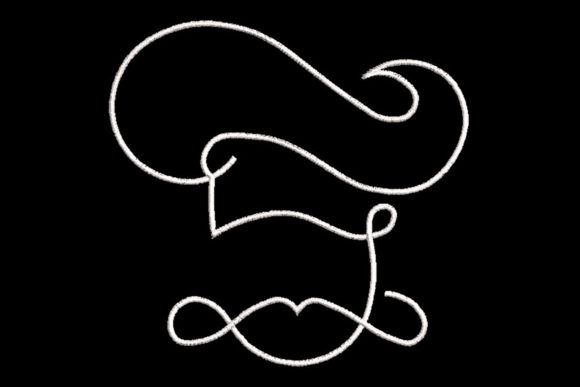
Minimalistic One Line Chef: A Designer’s Review
As an embroidery designer who spends hours digitizing and testing files, I have learned that simplicity is often the hardest quality to master. When I first encountered Minimalistic One Line Chef on Creative Fabrica, I was immediately drawn to its clean aesthetic. In a market saturated with overly complex, dense designs, this piece stands out for its confidence in negative space. It is not just a graphic; it is a statement of modern culinary style. For those of us creating handmade products for chefs, foodies, or restaurant staff, finding a design that balances professionalism with charm is crucial. This review explores whether this specific embroidery file delivers on its promise for real-world commercial use.
First Impressions and Visual Mood
The visual mood of Minimalistic One Line Chef is undeniably contemporary. The continuous single-line technique creates a fluid, unbroken path that guides the eye smoothly across the fabric. There are no jagged stops or unnecessary fill stitches that can clutter small spaces. Instead, the design relies on the elegance of the running stitch to define the chef’s hat and facial features. This approach gives the artwork a hand-drawn, sketch-like quality that feels organic rather than rigidly digital.
For embroidery designers, the appeal lies in its versatility. Because it is minimalistic, it does not compete with the texture of the base material. Whether you are working with a rough linen apron or a smooth cotton tote bag, the design adapts gracefully. The 4″ x 4″ hoop size specification mentioned in the product description makes it incredibly accessible. Most home embroidery machines and many commercial multi-needle setups can handle this footprint without requiring re-hooping or complex positioning adjustments.
Performance in Real Embroidery Projects
When considering a new digital embroidery file for my shop, I always ask: "Where will this sell?" The Minimalistic One Line Chef is particularly well-suited for the Kitchen category, but its applications extend far beyond simple towels. Here is how I envision this design performing in various handmade scenarios:
- Custom Apparel: This design shines on chef coats or bistro aprons. Placed on the left chest area, it adds a personalized touch without looking bulky. The single-line structure ensures it remains comfortable against the skin, avoiding the stiffness often associated with heavy satin stitch borders.
- Tote Bag Design: Canvas totes are a staple for farmers' markets and grocery runs. A minimalist chef embroidered on a natural canvas bag creates a chic, eco-friendly accessory. The simplicity of the line work contrasts beautifully with the woven texture of the fabric.
- Sweatshirt Embroidery: For casual wear, this design works well on the sleeve or upper back of a crewneck sweatshirt. It appeals to culinary students or home cooks who want to display their passion subtly. The lack of dense fill stitches means the garment retains its drape and softness.
- Embroidered Patch: If you create iron-on or velcro patches, this file is ideal. The continuous line reduces the risk of thread breaks during high-speed production, and the clean edges look professional when trimmed.
- Handmade Gifts: Think about housewarming gifts for new homeowners who love to cook. An embroidered kitchen towel featuring this chef motif is both practical and decorative. It elevates a standard textile into a personalized gift.
Practical Considerations for Stitching
While the design is labeled as "very simple," experienced crafters know that minimalism requires precision. Because the Minimalistic One Line Chef relies on a continuous path, any tension issues in your machine will be immediately visible. There are no dense areas to hide slight inconsistencies. Therefore, proper stabilization is non-negotiable. I recommend using a cut-away stabilizer for stretchy fabrics like jersey knits or sweatshirts to prevent distortion. For woven fabrics like aprons or tote bags, a tear-away stabilizer may suffice, but always test on scrap fabric first.
Thread color contrast is another critical factor. Since the design is essentially a line drawing, it needs to pop against the background. On dark fabrics, such as navy or black chef aprons, use a bright white or metallic gold thread to ensure visibility. On light fabrics, a charcoal grey or deep brown can provide a sophisticated, subtle look. Avoid using thread colors that blend too closely with the fabric, as the fine details of the running stitch might get lost.
Regarding the 4″ x 4″ hoop size, this compact dimension is a blessing for small items like caps or baby bibs. However, if you plan to scale the design up significantly, be cautious. Enlarging a single-line design too much can make the stitches appear sparse and weak. It is best to keep the design within or near its original intended size to maintain structural integrity and visual impact.
Enhancing Product Value and Brand Consistency
From a business perspective, incorporating Minimalistic One Line Chef into your product line can enhance perceived value. Modern consumers often prefer understated elegance over loud, busy graphics. This design aligns well with current trends in home decor and fashion, where "less is more" is the guiding principle. By using such a refined embroidery file, you signal to your customers that your brand values quality and contemporary style.
Furthermore, this design aids in creating cohesive product photography. Its clean lines look excellent in flat-lay shots alongside other kitchen accessories, such as wooden spoons, fresh herbs, or ceramic bowls. This aesthetic consistency helps build trust with buyers browsing Etsy or social media platforms. When the finished product looks polished and professional, it encourages higher engagement and repeat purchases.
Final Verdict and Usage Tips
Before adding Minimalistic One Line Chef to your cart, always verify the specific file details on the Creative Fabrica product page. Confirm that the format matches your machine’s requirements, whether you need PES, DST, JEF, or another type. Additionally, review the license terms carefully. While many Creative Fabrica embroidery designs come with commercial use rights, it is essential to ensure you are compliant if you plan to sell finished products.
In summary, this design is a valuable asset for any embroidery designer focusing on kitchen-themed or culinary apparel projects. Its simplicity is its strength, offering ease of stitching and broad application potential. By paying attention to stabilizer choice and thread contrast, you can produce high-quality items that resonate with today’s market. Whether you are creating a custom apron for a local restaurant or a cute tote for a food blogger, this minimalistic chef brings a touch of professional charm to every stitch.