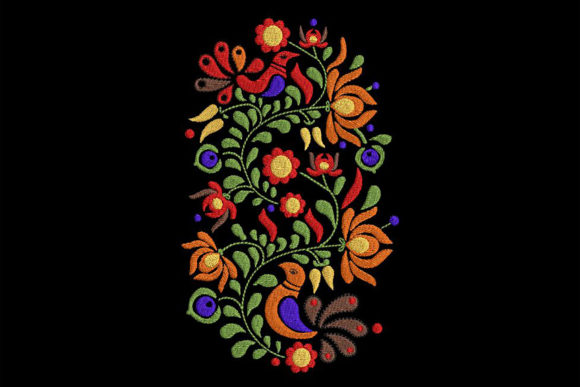
Hungarian Color-rich Traditional Motif Review
As an embroidery designer who has spent years digitizing and reviewing patterns for commercial use, I approach every new machine embroidery design with a critical eye. It is not enough for a pattern to look pretty on a screen; it must perform under the needle, withstand washing, and elevate the brand it represents. Recently, I evaluated the Hungarian Color-rich Traditional Motif, a design rooted in the vibrant folk art traditions of Europe. This review focuses on its viability for small business merchandise, branded patches, and custom apparel, offering practical insights for shop owners and decorators.
First Impressions: Visual Personality and Aesthetic Appeal
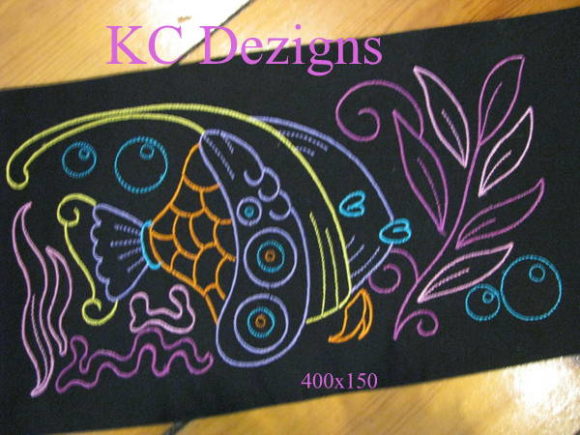
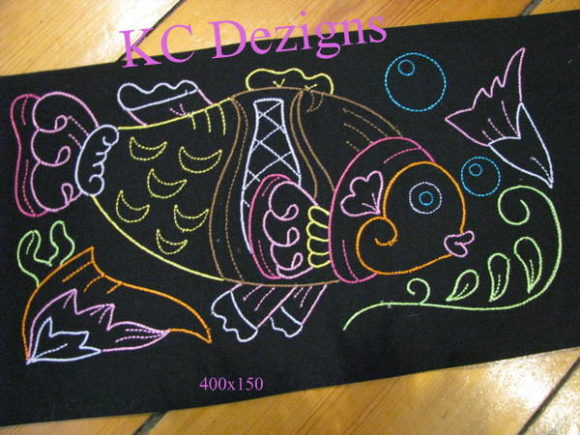
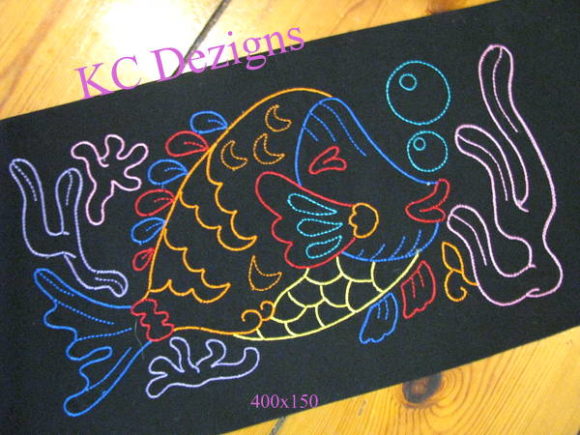
The first thing that strikes you about the Hungarian Color-rich Traditional Motif is its undeniable warmth. The description notes that it was traditionally embroidered by hand, a labor-intensive process that translates into a complex, layered aesthetic in its digital form. With seven distinct colors, the design feels bold, rustic, and deeply decorative. It does not scream "modern minimalism"; instead, it exudes a handmade, premium quality that appeals to customers seeking authenticity.
For boutique owners and Etsy sellers, this visual personality is a significant asset. The motif feels friendly yet elegant, bridging the gap between classic folk art and contemporary craft trends. The rich color palette suggests a high level of craftsmanship, which can instantly increase the perceived value of a finished product. However, designers must recognize that this complexity requires careful handling. The intricate details and multiple thread colors mean this is not a quick-fill logo but a statement piece that demands attention.
Real-World Business Applications
When considering where to apply this embroidery file, versatility is key. I envision this motif working exceptionally well as an embroidered patch. Patches allow for the dense stitching and vibrant thread colors to shine without the constraints of garment stretch or seam interference. For a local café or bakery, these patches could be ironed onto canvas tote bags or denim aprons, creating a cohesive and charming brand identity.
In the realm of custom apparel, this design serves best as a chest logo accent or a sleeve detail on work shirts. For creative studios or florists, the organic, floral-inspired lines of Hungarian folk art align perfectly with their natural, earthy branding. Imagine a linen apron with this motif stitched near the hem or pocket; it transforms a standard uniform into a piece of wearable art. Additionally, it works beautifully for cap embroidery, provided the design is scaled correctly to fit the curved front panel without distortion.
Beyond apparel, consider its use in small business merch such as branded gift items. A small pouch or a fabric journal cover featuring this motif can serve as a high-margin add-on at checkout. The cultural connection to Europe adds a layer of storytelling that resonates with buyers who appreciate heritage and tradition in their handmade product selections.
Navigating Technical Challenges and Fabric Constraints
While the aesthetic is strong, the technical execution of the Hungarian Color-rich Traditional Motif requires precision. The presence of seven colors means frequent thread changes, which increases production time. For high-volume commercial embroidery projects, this must be factored into pricing. Furthermore, the stitch density appears high to capture the traditional look. On lightweight fabrics, this can cause puckering if not properly stabilized.
I advise caution when using this design on textured fabrics or dark uniforms. The intricate outlines may get lost if the thread contrast is insufficient. For dark garments, ensure you select thread colors that pop, or consider adding an underlay stitch that contrasts with the fabric to define the edges. When applying this to curved surfaces like caps, test the design on a similar curve first. The dense stitching can pull on the fabric, potentially distorting the shape if the hoop size and tension are not adjusted correctly.
Another critical consideration is washability. Items like aprons and tote bags undergo frequent laundering. The multiple color transitions create potential weak points where threads may loosen over time. Using a high-quality cut-away stabilizer is non-negotiable here to maintain the integrity of the design after repeated washes.
Impact on Brand Identity and Customer Trust
Integrating the Hungarian Color-rich Traditional Motif into your product line does more than add decoration; it strengthens brand identity. In a market saturated with generic logos, a design with cultural depth and artistic complexity signals professionalism and attention to detail. It tells customers that your brand values quality and heritage.
This visual consistency builds trust. When a customer sees the same high-quality, intricate motif on your packaging, your staff uniforms, and your social media printable mockup images, it creates a cohesive brand experience. This recognition drives buyer engagement, as customers are more likely to share and recommend products that look unique and professionally crafted. For handmade brands, this design acts as a seal of quality, distinguishing your design assets from mass-produced alternatives.
Practical Designer Notes for Production
Before running this design on your production machines, follow these essential steps to ensure success:
- Test in Black and White: Before committing to seven thread colors, stitch out the design in monochrome. This helps you evaluate the clarity of the shapes and the balance of positive and negative space without the distraction of color.
- Check Small Patch Sizes: Scale the design down to your intended patch size. Ensure that the fine details do not merge together. If the elements become indistinguishable, the design may need simplification or a larger minimum size.
- Review Thread Color Contrast: Since you can choose your preferred colors, select a palette that offers high contrast between adjacent elements. Avoid using similar shades next to each other, as this can muddy the visual impact.
- Inspect Spacing and Density: Zoom in on the digital embroidery file to check for overly dense areas that might cause needle breaks or fabric stiffness.
- Confirm Hoop Size: Ensure your machine’s hoop can accommodate the full design without re-hooping, which can lead to alignment issues.
- Test on Real Fabric: Always stitch a sample on the actual material you plan to use. Fabric texture significantly affects how the stitches lay and appear.
- Create a Mockup: Use a printable mockup or digital preview to show clients how the design will look on their specific items before production begins.
- Verify Licensing: Confirm the commercial licensing terms. Ensure you have the right to use the design for selling physical goods, especially if you are producing items for third-party clients.
Note that the product description mentions the colors seen in the worksheet but does not specify exact stitch counts, file formats, or precise hoop requirements. Always request these technical specifications from the seller before purchase to ensure compatibility with your equipment.
Final Verdict for Small Business Owners
The Hungarian Color-rich Traditional Motif is a powerful tool for businesses looking to add character and depth to their merchandise. It is not a simple, quick-stitch logo, but a detailed piece of art that rewards careful execution. For embroidery shops, apparel decorators, and handmade brands, it offers a unique opportunity to create standout products that resonate with customers seeking quality and tradition. By respecting its technical requirements and leveraging its aesthetic strengths, you can transform this embroidery file into a cornerstone of your brand’s visual identity.