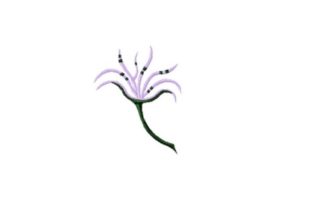
Engagement Ring Flower: A Craft Fair Seller’s Review
As an embroidery designer who has spent countless weekends behind a booth table, I know that not every design translates into a bestseller. We often fall in love with intricate details that look stunning on a screen but fail to catch the eye of a passerby scanning a crowded market. Today, I am putting the Engagement Ring Flower under the microscope. This isn't just about aesthetics; it is about viability. I am evaluating this piece from the perspective of a small shop owner preparing for a high-traffic craft fair, looking for that perfect balance between visual appeal and production efficiency.
The product description labels this as "The Rest Stop for Bees Flower," an original quality embroidery intended for various sewing projects. The promise is versatility: a lovely embroidery that looks great on any fabric or clothes. But does it deliver where it counts? Let’s break down how this design performs in the real world of handmade retail.
First Impressions: Mood and Market Fit
When I first loaded the Engagement Ring Flower into my editing software, the immediate impression was one of whimsical elegance. It strikes a fascinating chord between romantic and rustic. The concept of a flower serving as a rest stop for bees suggests a narrative of nature, patience, and gentle beauty. For a craft fair environment, this mood is incredibly potent. It appeals to the customer looking for something soft and meaningful, rather than loud or trendy.
This design feels inherently farmhouse-chic with a touch of modern minimalism. It is not overly dense, which gives it a breathable, airy quality. This is crucial for today’s buyer, who often prefers subtle branding over heavy, stiff embroidery. If you are targeting bridesmaids’ gifts, wedding decor, or spring-themed collections, this design hits the mark. It feels premium without being pretentious, making it a strong contender for boutique makers who value understated luxury.
Product Application: Where Does It Shine?
The true test of any machine embroidery design is its adaptability. I mentally placed the Engagement Ring Flower on several standard craft fair products to gauge its impact.
- Tote Bags: This is likely the strongest application. A canvas tote with this design centered or placed on the lower corner becomes an instant tote bag design staple. The open spaces in the floral elements allow the natural texture of the canvas to show through, enhancing the handmade aesthetic.
- Tea Towels and Aprons: For kitchenware, this design excels as tea towel embroidery or apron embroidery. Because the motif is likely self-contained, it works beautifully as a focal point on a hem or pocket. It transforms a basic utility item into a giftable handmade product.
- Embroidered Patches: If the scale allows, this could make a charming embroidered patch. However, patches require higher stitch density to prevent fraying edges, so this would need careful testing.
- Caps and Curved Surfaces: Here, caution is needed. Floral designs with fine lines can distort on curved surfaces like baseball caps. Unless the design is specifically digitized for caps, I would recommend sticking to flat goods like pillow covers or market bags to maintain clarity.
Production Practicality for the Busy Seller
For an Etsy seller or craft fair vendor, time is money. The Engagement Ring Flower appears to be designed for efficiency. The description notes it is suitable for any fabric, which implies a balanced stitch density. This is vital for batch production. If a design is too dense, it puckers lightweight fabrics and takes too long to stitch. If it is too sparse, it lacks impact.
This design seems to strike a middle ground, making it ideal for a small shop product line. It photographs well because the contrast between the thread and the fabric is likely distinct. In online listings, clear, recognizable shapes convert better than muddy, overly complex images. A printable mockup of this design on a white linen napkin or a natural cotton tote would likely perform well in digital marketing, giving customers a clear idea of the finished product.
Navigating Technical Challenges
While the design is versatile, there are careful-use notes every embroiderer must consider. First, thread colors matter immensely. A pastel palette might get lost on cream fabric, while high-contrast threads could make the design pop on dark denim. Always test your color combinations on scrap fabric before committing to a full run.
Second, consider the fabric texture. The description mentions it works on any fabric, but textured towels or thick wool coats may swallow up fine details. For textured items, ensure the design size is large enough to remain legible. Additionally, always use the correct stabilizer. For lightweight fabrics like chiffon or thin cotton, a cut-away stabilizer might be necessary to support the stitches without adding bulk, whereas tear-away might suffice for sturdy canvas.
Another critical factor is the hoop size. Since the specific dimensions are not provided in the brief description, you must check the file details before purchasing or stitching. Ensure the design fits within your standard hoop sizes (4x4, 5x7, or 6x10) without requiring excessive re-hooping, which slows down production.
Boosting Brand Consistency and Visual Appeal
In a crowded marketplace, brand consistency is key. The Engagement Ring Flower offers a cohesive look that can tie together a diverse product line. Imagine a booth display where the same floral motif appears on tote bags, pillow covers, and wall art. This repetition creates a strong visual identity. Customers begin to recognize your style, which builds trust and encourages multiple purchases.
Furthermore, this design enhances perceived value. Embroidery adds a tactile dimension that printed graphics cannot match. When a customer touches the raised stitches of the Engagement Ring Flower, they feel the quality of the commercial embroidery. This tactile engagement often leads to higher conversion rates at craft fairs, where shoppers are looking for unique, high-quality items they cannot find in big-box stores.
Final Verdict and Designer Notes
Before you add this to your cart or start stitching, here is my checklist for success:
- Verify File Details: Confirm the available formats and hoop size compatibility. Ensure you have the right digital embroidery file for your machine.
- Check Licensing: The description mentions it is an original quality embroidery, but always confirm commercial licensing terms. As a craft fair product creator, you need to ensure you have the right to sell finished items made with this design.
- Create Real Mockups: Do not rely solely on digital previews. Stitch out the design on your actual inventory fabrics. Compare how it looks on light versus dark materials.
- Test Stitch Density: Run a test on a similar weight fabric to check for puckering or thread breaks. Adjust tension if necessary.
The Engagement Ring Flower is a promising addition to any Sewing and Embroidery portfolio. It balances aesthetic charm with practical application, making it a smart choice for designers looking to expand their design assets with reliable, sellable motifs. By paying attention to fabric choice, stabilization, and presentation, you can turn this single design into a cornerstone of your next successful market season.